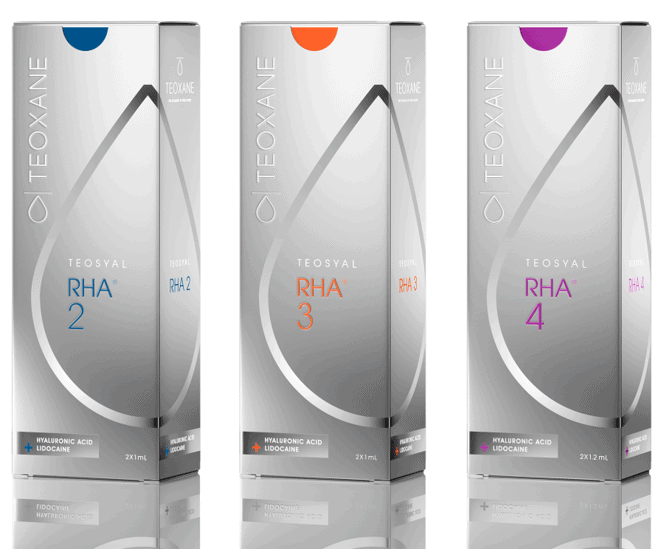
RHA dermal filler and resilient hyaluronic acid information
RHA is a collection of hyaluronic acid (HA) dermal fillers designed for different aesthetic applications. The RHA Collection is known for its resilient hyaluronic acid technology and includes several formulations with different characteristics and approved uses.
Dermal fillers have become an important part of modern aesthetic medicine, offering options for addressing certain facial wrinkles, folds, lip fullness, cheek volume, and other aesthetic concerns. However, different fillers are designed for different purposes, so understanding the specific product is essential.
At DermaScience Pro, our goal is to provide clear and responsible information about modern aesthetic products. Our educational content covers dermal fillers, botulinum products, peptides, weight-loss products, and premium supplements.
This guide explores 7 important facts about RHA, including its hyaluronic acid technology, product range, treatment applications, safety considerations, and important questions to ask before treatment.
What Is RHA?
RHA refers to the Resilient Hyaluronic Acid Collection of dermal fillers developed by Teoxane. The collection includes different formulations designed for specific aesthetic applications.
Current U.S. product information identifies RHA Redensity, RHA 2, RHA 3, RHA 4, and RHA Dynamic Volume, with different approved indications depending on the specific product.
The FDA has classified the RHA products as dermal implants for aesthetic use.
Because the RHA Collection contains multiple products, it is important to understand that “RHA filler” does not refer to one identical formulation.
7 Important Facts About RHA
1. RHA Is Based on Hyaluronic Acid
The foundation of the RHA Collection is hyaluronic acid.
Hyaluronic acid is naturally found in the human body and plays an important role in hydration and tissue structure. In aesthetic medicine, HA can be formulated into injectable gels with specific characteristics for different treatment areas.
RHA products use resilient HA technology designed to maintain gel properties while accommodating facial movement. The manufacturer describes the RHA Collection as designed for areas of the face that move during normal facial expression.
This makes RHA an interesting category for people researching modern hyaluronic acid filler technology.
2. The RHA Collection Contains Multiple Products
One of the most important things to understand is that RHA is a collection rather than a single filler.
Current product information lists several formulations, including:
RHA Redensity
RHA 2
RHA 3
RHA 4
RHA Dynamic Volume
There are also formulations containing different local anesthetics, including lidocaine and mepivacaine.
Each product has specific characteristics and indications.
Therefore, when researching RHA, consumers should identify the exact product being discussed rather than assuming every RHA filler has the same purpose.
3. RHA Redensity Is Designed for Perioral Lines
RHA Redensity is one of the specific products within the collection.
According to current FDA information, RHA Redensity is indicated for injection into the dermis and superficial dermis of the face to correct moderate-to-severe dynamic perioral rhytids in adults aged 22 and older.
Perioral rhytids are commonly described as lines around the mouth.
The product’s design is particularly relevant to areas that experience frequent facial movement. The official product information describes RHA Redensity as an injectable HA gel intended for dynamic lines and wrinkles around the mouth.
4. Different RHA Products Have Different Applications
RHA 2, RHA 3, RHA 4, and RHA Dynamic Volume are not interchangeable.
Current manufacturer information describes different injection depths and treatment applications for the products. For example, RHA 2 is indicated for certain moderate-to-severe dynamic facial wrinkles and folds, while RHA 3 also has indications for lip augmentation and fullness. RHA 4 is intended for deeper facial wrinkles and folds, and RHA Dynamic Volume has indications involving midface volume and contour deficiencies.
This demonstrates why professional assessment is essential.
The appropriate product depends on the treatment objective, anatomical area, product indication, facial structure, and individual circumstances.
5. RHA Is Designed With Facial Movement in Mind
Facial expressions involve continuous movement.
People smile, speak, laugh, frown, eat, and make countless other facial movements throughout the day. Aesthetic filler products therefore need physical characteristics appropriate for the area being treated.
The RHA Collection is marketed around resilient hyaluronic acid technology intended to accommodate facial movement.
This does not mean that RHA can guarantee a particular aesthetic outcome. Results depend on numerous factors, including product selection, injection technique, treatment area, amount used, facial anatomy, and individual response.
6. Professional Administration Is Essential
RHA products are injectable dermal fillers and should be administered by an appropriately qualified healthcare professional.
The face contains important blood vessels, nerves, muscles, and other structures. Improper injection or accidental injection into a blood vessel can result in serious complications.
The FDA has warned that accidental injection of dermal filler into a blood vessel can cause complications including tissue damage, vision abnormalities, blindness, or stroke.
For this reason, consumers should carefully consider the qualifications, training, and experience of the professional providing treatment.
A proper consultation should also include a discussion of medical history, allergies, medications, previous aesthetic procedures, treatment expectations, and possible complications.
7. RHA Treatments Have Potential Risks
Like other injectable dermal fillers, RHA products can cause side effects and complications.
Possible treatment-related reactions may include:
Swelling
Bruising
Redness
Pain or tenderness
Firmness
Itching
Inflammation
Changes in skin color
Other localized reactions
The specific safety profile depends on the exact RHA product and treatment.
The official RHA information also lists contraindications involving severe allergies and certain allergies to gram-positive bacterial proteins or amide-type local anesthetics such as lidocaine and mepivacaine.
This is another reason why an appropriate medical consultation should take place before treatment.
What Are RHA Dermal Fillers Used For?
Depending on the specific product and applicable regulatory authorization, RHA fillers may be used for different aesthetic applications.
Current U.S. product information includes indications involving:
Dynamic facial wrinkles
Facial folds
Nasolabial folds
Perioral lines
Lip augmentation and lip fullness
Cheek augmentation
Age-related midface contour deficiencies
The exact indication depends on the individual RHA product.
Consumers should therefore avoid treating all RHA products as though they have identical approved uses.
RHA and Hyaluronic Acid Technology
Hyaluronic acid is widely used in modern dermal filler technology.
However, not every HA filler behaves in exactly the same way. Differences in manufacturing processes, gel structure, cross-linking, elasticity, cohesivity, viscosity, and other characteristics can influence product behavior.
RHA is specifically positioned around resilient HA technology designed for dynamic areas of the face.
Understanding these differences can help consumers have more productive conversations with qualified healthcare professionals.
RHA Compared With Other Dermal Fillers
RHA belongs to the broader family of hyaluronic acid dermal fillers.
Other well-known filler families include products based on hyaluronic acid, calcium hydroxylapatite, and other materials.
Even within the HA category, products can differ significantly.
For example, RHA, Restylane, and other HA filler brands may have different formulations, product characteristics, approved indications, and treatment applications.
Therefore, the best comparison is not simply brand versus brand. Consumers should compare the specific product, intended treatment area, evidence, risks, and regulatory indication.
RHA and Natural-Looking Facial Movement
One reason RHA has attracted attention is its focus on facial movement.
Facial aesthetics involve more than static appearance. Expressions and movement are important parts of how the face looks naturally.
The RHA Collection is designed around resilient HA technology for dynamic facial areas.
However, a natural-looking outcome cannot be guaranteed by a product alone.
The injector’s technique, product selection, treatment planning, amount of filler used, and individual anatomy all contribute to the final appearance.
RHA at DermaScience Pro
At DermaScience Pro, we provide educational information about modern aesthetic and wellness product categories.
Our website focuses on dermal fillers, botulinum products, peptides, weight-loss products, and premium supplements.
If you are researching RHA and other dermal fillers, visit the DermaScience Pro Shop to explore our available product categories.
You can also learn more through DermaScience Pro Services, discover additional educational articles through the DermaScience Pro Blog, or learn more about our company through About DermaScience Pro.
For general website and product questions, visit Contact DermaScience Pro.
What Should You Ask Before an RHA Treatment?
Before receiving an RHA treatment, consider asking your healthcare professional:
Which specific RHA product is being recommended?
What area is being treated?
What is the approved or intended use of that product?
Why is this particular formulation appropriate?
What results are realistically expected?
What temporary reactions may occur?
What serious complications should I understand?
What qualifications and experience does the injector have?
Do my medications or medical history affect treatment?
What aftercare instructions should I follow?
These questions can help you better understand the procedure and establish realistic expectations.
Frequently Asked Questions About RHA
What is RHA?
RHA is a collection of resilient hyaluronic acid dermal fillers designed for different aesthetic applications.
Is RHA a hyaluronic acid filler?
Yes. RHA products are hyaluronic acid-based dermal fillers. Different products within the RHA Collection have different characteristics and approved uses.
What does RHA stand for?
RHA refers to the Resilient Hyaluronic Acid technology used in the RHA Collection.
What is RHA Redensity used for?
RHA Redensity is indicated in the United States for injection into the dermis and superficial dermis of the face to correct moderate-to-severe dynamic perioral rhytids in adults aged 22 or older.
What is RHA 3 used for?
Current U.S. product information indicates that RHA 3 is used for certain moderate-to-severe dynamic facial wrinkles and folds, including nasolabial folds, and for lip augmentation and lip fullness in appropriately indicated adults.
What is RHA Dynamic Volume?
RHA Dynamic Volume is a product within the RHA Collection with indications that include correction of certain facial wrinkles and folds and cheek augmentation or correction of age-related midface contour deficiencies in appropriately indicated adults.
Is RHA safe?
RHA products have specific safety information, contraindications, and potential side effects. As with other injectable dermal fillers, serious complications are possible. Treatment should be performed by an appropriately qualified healthcare professional.
How long does RHA last?
Duration varies according to the specific RHA product, treatment area, individual characteristics, treatment technique, and other factors. The manufacturer reports clinical results lasting up to 12 months for certain RHA applications, but results vary between individuals.
Final Thoughts on RHA
RHA represents an important development in the world of hyaluronic acid dermal fillers.
The RHA Collection includes multiple formulations designed for different aesthetic applications, including certain facial wrinkles, perioral lines, lip fullness, cheek augmentation, and midface contour deficiencies.
Its focus on resilient hyaluronic acid technology makes RHA an interesting option within the broader dermal filler category. However, the specific product matters. RHA Redensity, RHA 2, RHA 3, RHA 4, and RHA Dynamic Volume have different characteristics and indications.
At DermaScience Pro, we believe better aesthetic decisions begin with better information. Understanding the product, intended use, potential benefits, possible risks, and qualifications of the provider can help consumers approach aesthetic treatments more responsibly.
Explore the DermaScience Pro Blog for additional information about dermal fillers, botulinum products, peptides, weight-loss products, and premium supplements.
Important: This article is provided for general educational and informational purposes only. It is not medical advice and does not diagnose, treat, prevent, or cure any disease or medical condition. Injectable dermal filler procedures carry risks. Always consult an appropriately qualified healthcare professional and review the current official product information applicable to your location before treatment.
