• Soledad_Home
  • shop
  • Dermal Fillers
  • Botulinum
  • Peptide
  • Weight Loss
dermasciencepro.online
  • Cosmetics
  • Contact Us
  • Services
  • About Us
  • Our Blog
  • Cart
  • 0
Category:

Botulinum

Botulinum

BOTOX: 7 Powerful Facts About This Botulinum Treatment

by maritpharmacy May 29, 2019
written by maritpharmacy

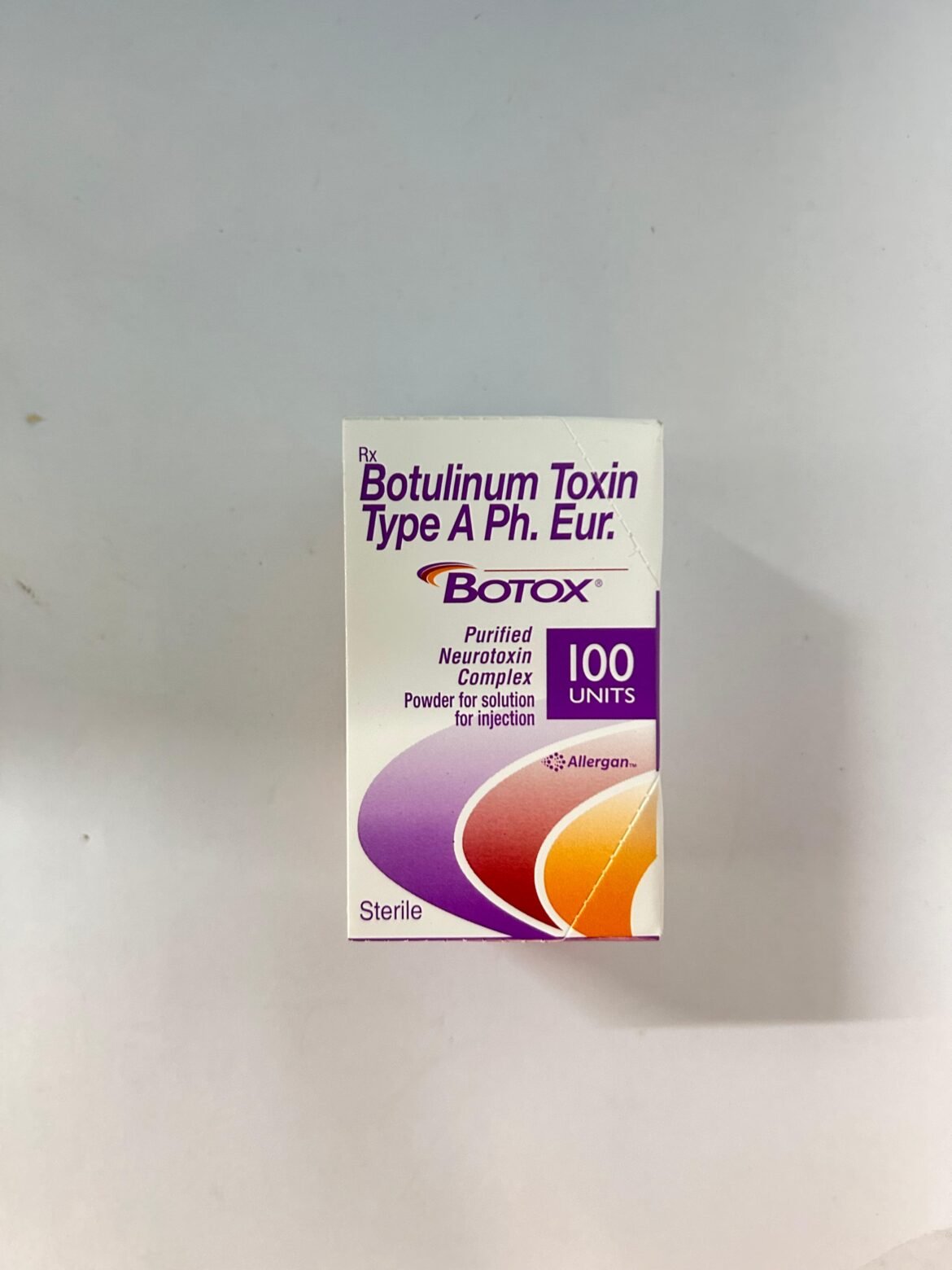
BOTOX is one of the best-known names in modern aesthetic medicine. As a prescription treatment containing onabotulinumtoxinA, BOTOX Cosmetic is designed to temporarily improve the appearance of specific moderate-to-severe facial lines in adults. It works differently from dermal fillers, making it an important category within professional aesthetic care.

At DermaScience Pro, we believe that understanding aesthetic products is an important part of making informed decisions. This guide explains 7 important facts about BOTOX, including what it is, how it works, commonly treated areas, expected results, safety considerations and questions to discuss with a qualified healthcare professional.

1. What Is BOTOX?
BOTOX Cosmetic is a prescription injectable containing onabotulinumtoxinA, a purified form of botulinum toxin type A. Rather than adding volume beneath the skin like a dermal filler, BOTOX works by temporarily reducing activity in targeted muscles.

Repeated facial movements such as frowning, squinting and raising the eyebrows can contribute to the appearance of expression lines. By temporarily reducing the activity of selected muscles, BOTOX Cosmetic can soften the appearance of certain dynamic facial lines.

The FDA-approved cosmetic uses include temporary improvement in the appearance of moderate-to-severe glabellar lines, lateral canthal lines, forehead lines and platysma bands in adults.

2. BOTOX Can Address Several Facial Areas
One of the reasons BOTOX remains popular is its established use across several specific aesthetic areas.

BOTOX Cosmetic is FDA-approved for temporary improvement of:

Forehead lines
Frown or glabellar lines between the eyebrows
Crow’s feet around the eyes
Vertical platysma bands connecting the neck and jaw
These areas involve different muscles and therefore require an individualized assessment by an appropriately qualified professional. The official BOTOX Cosmetic information emphasizes that treatment should be performed by a qualified healthcare provider who understands facial anatomy.

For additional information about aesthetic products, explore the DermaScience Pro Services page.

3. How Does BOTOX Work?
BOTOX works differently from dermal fillers.

Dermal fillers are generally designed to add volume, enhance contours or replace lost volume in particular facial areas. BOTOX, on the other hand, temporarily reduces the muscle activity responsible for certain expression lines.

According to the official BOTOX Cosmetic information, repeated muscle contractions can cause skin to furrow and fold. BOTOX works beneath the skin by temporarily reducing the underlying muscle activity associated with certain moderate-to-severe facial lines.

This distinction is important when comparing BOTOX with products such as JUVÉDERM, Restylane, Belotero or Radiesse. The right product depends on the aesthetic concern, treatment area and professional assessment.

4. BOTOX Results Are Temporary
BOTOX is not a permanent treatment. Its effects gradually wear off as muscle activity returns.

The official BOTOX Cosmetic FAQ states that people may begin seeing changes in the appearance of forehead lines, frown lines and crow’s feet within approximately 1–2 days, with full results developing over time. Results can last up to about four months, although individual experiences vary.

Because results are temporary, treatment planning should focus on realistic expectations rather than permanent correction.

Your healthcare professional can help determine whether BOTOX is appropriate and discuss how frequently future treatments may be considered.

5. BOTOX Is Not the Same as Dermal Fillers
A common misconception is that BOTOX and dermal fillers are interchangeable. They are not.

BOTOX primarily works by temporarily reducing targeted muscle activity. Dermal fillers generally work by adding volume or structure beneath the skin.

For example, someone interested in improving the appearance of forehead expression lines may be discussing a different type of aesthetic treatment from someone seeking additional facial volume.

At DermaScience Pro, our educational content covers both Botulinum Products and Dermal Fillers so visitors can understand the differences between these important aesthetic categories.

Visit our Shop to explore the product categories available through DermaScience Pro.

6. Safety and Professional Administration Matter
BOTOX is a prescription treatment, so professional assessment and administration are essential.

The FDA prescribing information states that BOTOX Cosmetic should be administered by appropriately trained healthcare professionals who understand the relevant neuromuscular and structural anatomy of the treatment area.

Like other medical treatments, BOTOX can have side effects. Reported effects may include injection-site discomfort, headache, tiredness, neck pain, dry mouth and certain eye-related effects such as eyelid or eyebrow drooping.

The prescribing information also carries a boxed warning concerning the potential for botulinum toxin effects to spread beyond the injection site, which can cause serious symptoms including difficulty swallowing, speaking or breathing. Anyone experiencing serious symptoms after treatment should seek medical attention promptly.

Therefore, product authenticity, appropriate storage, professional training and proper administration are all important considerations.

7. BOTOX Units Should Not Be Compared Directly With Other Botulinum Products
BOTOX is part of a broader category of botulinum toxin products that includes products such as Dysport, Xeomin and JEUVEAU.

However, the units used for BOTOX Cosmetic are specific to its formulation and testing method. The FDA states that BOTOX Cosmetic units are not interchangeable with units from other botulinum toxin preparations.

This means consumers should not assume that a particular number of BOTOX units is directly equivalent to the same number of units from another brand.

For this reason, product selection and treatment planning should be handled by a qualified professional rather than based solely on unit comparisons or online price comparisons.

BOTOX vs. Dermal Fillers: What’s the Difference?
Understanding the basic difference can make aesthetic research much easier.

BOTOX:

Temporarily reduces targeted muscle activity
Commonly used for expression-related lines
Includes approved uses for forehead lines, frown lines, crow’s feet and platysma bands
Produces temporary results
Dermal Fillers:

Generally add volume or structure
Often use materials such as hyaluronic acid or calcium hydroxylapatite
Can address selected areas where volume enhancement is appropriate
Product duration varies by filler and treatment area
Neither category is automatically better than the other. They serve different purposes, and some aesthetic plans may involve different products at different times.

What Should You Ask Before Considering BOTOX?
Before undergoing a BOTOX treatment, consider asking a qualified healthcare professional:

Is BOTOX appropriate for my aesthetic concern?
Which treatment area is being considered?
What results should I realistically expect?
How long might the effects last?
What side effects should I know about?
Are there medications or treatments I should disclose?
Who will administer the treatment?
Is the product authentic and properly handled?
What alternatives may be appropriate?
What should I do if I experience an unexpected reaction?
These questions can help create a more informed and responsible treatment experience.

Why BOTOX Is Important to DermaScience Pro
At DermaScience Pro, BOTOX fits within our broader focus on modern aesthetic and wellness products.

Our website provides educational information covering dermal fillers, botulinum products, peptides, weight-loss products and premium supplements. The goal is to make product information easier to understand while encouraging responsible decisions and professional guidance where appropriate.

Explore our About DermaScience Pro page to learn more about our focus, or visit the DermaScience Pro Blog for additional educational articles.

Frequently Asked Questions About BOTOX
Is BOTOX a dermal filler?
No. BOTOX is a botulinum toxin product that temporarily reduces targeted muscle activity. Dermal fillers generally add volume or structure beneath the skin.

How long does BOTOX last?
BOTOX Cosmetic results are temporary. The official manufacturer information states that results for forehead lines, frown lines and crow’s feet can last up to approximately four months, although individual results vary.

What is BOTOX Cosmetic made from?
BOTOX Cosmetic contains onabotulinumtoxinA, a botulinum toxin type A formulation used as a prescription injectable treatment.

Can BOTOX treat forehead lines?
Yes. BOTOX Cosmetic is FDA-approved for the temporary improvement in the appearance of moderate-to-severe forehead lines in adults.

Can BOTOX treat crow’s feet?
Yes. BOTOX Cosmetic is FDA-approved for temporary improvement in the appearance of moderate-to-severe lateral canthal lines, commonly called crow’s feet, in adults.

Is BOTOX permanent?
No. BOTOX provides temporary effects, and muscle activity gradually returns as the treatment wears off.

Is BOTOX the same as Dysport?
No. Both are botulinum toxin products, but they are different products with different formulations and unit systems. Their units should not be treated as directly interchangeable.

Final Thoughts
BOTOX has become an established name in aesthetic medicine because of its targeted approach to certain expression-related facial lines. Its use differs from dermal fillers, and understanding that distinction is essential when researching aesthetic options.

From forehead lines and frown lines to crow’s feet and approved platysma-band treatment, BOTOX Cosmetic has specific indications and important safety information. Results are temporary, individual outcomes vary, and professional assessment is an essential part of responsible treatment.

For more educational information about aesthetic products, visit the DermaScience Pro Blog or Contact DermaScience Pro with questions about our product categories.

Medical Disclaimer: This article is provided for general educational and informational purposes only. It is not medical advice, diagnosis or a substitute for consultation with a qualified healthcare professional. BOTOX Cosmetic is a prescription treatment, and approved indications, availability and regulatory requirements can vary by country. Always consult an appropriately qualified healthcare professional before considering treatment.

May 29, 2019 0 comment
0 FacebookTwitterPinterestEmail
Botulinum

Dysport: 7 Powerful Facts About This Botulinum Treatment

by maritpharmacy May 29, 2019
written by maritpharmacy

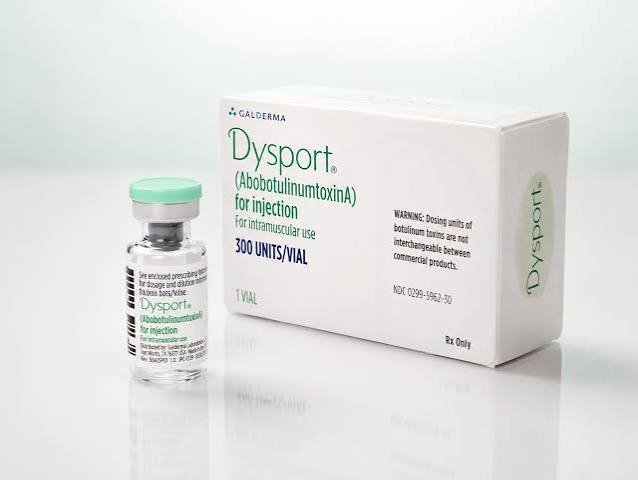
Dysport botulinum toxin aesthetic treatment information
Dysport is a prescription botulinum toxin type A injection containing abobotulinumtoxinA. In the United States, its aesthetic indication is the temporary improvement in the appearance of moderate to severe glabellar lines, commonly called frown lines between the eyebrows, in adults younger than 65. Dysport is administered by a licensed healthcare professional.

At DermaScience Pro, we provide educational information about modern aesthetic and wellness products, including dermal fillers, botulinum products, peptides, weight-loss products, and premium supplements. Understanding how Dysport works, what it is approved for, and its important safety considerations can help consumers make better-informed decisions.

What Is Dysport?
Dysport is a botulinum neurotoxin type A product containing abobotulinumtoxinA. It works as a neuromuscular blocking agent by temporarily reducing the release of acetylcholine, which decreases activity in targeted muscles.

For aesthetic treatment in the United States, Dysport is approved for temporary improvement in the appearance of moderate to severe glabellar lines associated with activity of the procerus and corrugator muscles in adults younger than 65.

Because Dysport is a prescription injectable, it should be administered by an appropriately licensed healthcare professional.

7 Important Facts About Dysport
1. Dysport Contains AbobotulinumtoxinA
The active ingredient in Dysport is abobotulinumtoxinA, a botulinum toxin type A preparation.

Botulinum toxin products work by temporarily interfering with the nerve signals responsible for muscle contraction. In aesthetic applications, reducing activity in selected muscles can soften the appearance of certain expression-related lines.

Dysport therefore belongs to the same broad category as other botulinum toxin products, although its formulation, labeling, and potency units are product-specific.

2. Dysport Is Used for Glabellar Lines
One of the most important facts about Dysport is its U.S. aesthetic indication.

Dysport is indicated for the temporary improvement in the appearance of moderate to severe frown lines between the eyebrows, known as glabellar lines, in adults younger than 65. These lines are associated with the activity of the procerus and corrugator muscles.

This means consumers should distinguish between the product’s approved indication and broader claims sometimes made online about cosmetic uses.

A qualified practitioner can determine whether Dysport is appropriate for a particular aesthetic concern.

3. Dysport Temporarily Reduces Targeted Muscle Activity
Dysport injections work by temporarily reducing targeted muscle activity.

Acetylcholine is a chemical messenger involved in communication between nerves and muscles. Dysport interferes with acetylcholine release at the neuromuscular junction, temporarily reducing muscle contraction.

When used for glabellar lines, this mechanism can reduce the appearance of wrinkles associated with repeated muscle movement.

The effect is temporary, so Dysport does not permanently eliminate the underlying ability of the muscles to contract.

4. Dysport Is Different From Dermal Fillers
It is important to understand that Dysport is not a dermal filler.

Products such as JUVÉDERM and Restylane are dermal fillers that use injectable materials such as hyaluronic acid for their specific approved applications. Dysport, on the other hand, is a botulinum toxin product that temporarily modifies targeted muscle activity.

This difference affects how the products work and the types of aesthetic concerns they are designed to address.

For anyone researching modern aesthetic products, understanding this distinction is an important first step.

Explore the DermaScience Pro Services page to learn more about our aesthetic and wellness categories.

5. Dysport Can Have a Relatively Fast Onset
According to the manufacturer’s current patient information, some people may see changes as early as 24 hours after treatment, while more than half of study participants reported improvement within approximately 2–3 days. Individual results vary.

The speed at which someone notices an effect can differ based on individual factors, the treatment area, muscle activity, and other considerations.

Therefore, marketing claims about rapid results should not be interpreted as a guarantee that every person will experience the same timeline.

6. Dysport Results Are Temporary
Another important fact about Dysport is that its effects are temporary.

The manufacturer reports that results may last for up to approximately five months based on clinical study data, although individual experiences can differ.

Factors that can influence an individual’s experience may include muscle activity, treatment characteristics, individual response, and whether the person has received previous treatments.

Because the effect is temporary, people who continue treatment typically discuss future appointments with their healthcare professional based on their individual response.

7. Dysport Has Important Safety Considerations
Although Dysport is an established prescription product, it has important safety warnings and potential adverse reactions.

The FDA prescribing information includes a boxed warning about distant spread of toxin effect. In some cases, botulinum toxin effects can extend beyond the injection site. Reported symptoms may include swallowing or breathing difficulties, generalized weakness, vision problems, eyelid drooping, speech difficulties, or other neurological symptoms.

The manufacturer’s information also lists possible side effects such as headache, injection-site pain or skin reactions, eyelid swelling or drooping, sinus inflammation, nausea, and upper respiratory tract infection.

Anyone considering Dysport should discuss medical history, allergies, medications, previous botulinum toxin treatment, and other relevant factors with a qualified healthcare professional.

Dysport and Natural-Looking Results
A common goal of aesthetic botulinum toxin treatment is to soften the appearance of lines while maintaining natural facial expression.

The manufacturer describes Dysport as temporarily improving frown lines while allowing untreated facial muscles to continue functioning normally. However, individual results vary and no treatment can guarantee a particular appearance.

A responsible treatment plan should therefore focus on appropriate product selection, facial anatomy, realistic expectations, and professional assessment.

Dysport vs. Botox
Dysport and Botox are both botulinum toxin type A products, but they are not identical products.

Dysport contains abobotulinumtoxinA, while Botox Cosmetic contains onabotulinumtoxinA. Their approved indications, formulations, prescribing information, and potency units differ.

An especially important point is that Dysport units cannot be directly converted to units of another botulinum toxin product. The FDA prescribing information states that Dysport potency units are specific to the product and its assay method and are not interchangeable with other botulinum toxin preparations.

Consumers should therefore avoid comparing products simply by looking at the number of units.

Dysport vs. Dermal Fillers
Dysport and dermal fillers address different aesthetic mechanisms.

Dysport temporarily reduces targeted muscle activity, while dermal fillers are injectable materials used for specific indications involving volume, contour, wrinkles, folds, lips, cheeks, or other areas depending on the product.

For example:

Dysport → botulinum toxin type A
JUVÉDERM → primarily hyaluronic acid dermal fillers
Restylane → hyaluronic acid dermal filler collection
Radiesse → calcium hydroxylapatite dermal filler
The appropriate product depends on the individual’s concern, anatomy, treatment goals, medical history, and professional evaluation.

What Should You Ask Before Dysport Treatment?
Before considering Dysport treatment, ask your qualified healthcare professional:

Is Dysport appropriate for my specific concern?
What is the approved indication in my country?
What results can I realistically expect?
How long might the effects last?
What side effects should I expect?
What serious complications should I know about?
Are any of my medications or medical conditions relevant?
How does Dysport differ from other botulinum toxin products?
What qualifications does the practitioner have?
What should I do if I experience an unusual reaction?
These questions can make your consultation more informative and help ensure that decisions are based on professional advice rather than online marketing claims.

Dysport at DermaScience Pro
DermaScience Pro focuses on five core aesthetic and wellness categories:

Dermal Fillers
Botulinum Products
Peptides
Weight-Loss Products
Premium Supplements
Our goal is to provide clear educational information about modern products and technologies.

Visit the DermaScience Pro Shop to explore available categories, learn more through our About DermaScience Pro page, or explore the DermaScience Pro Blog for additional aesthetic and wellness information.

If you have questions about our website or the information presented, you can also Contact DermaScience Pro.

Frequently Asked Questions About Dysport
What is Dysport?
Dysport is a prescription botulinum toxin type A injection containing abobotulinumtoxinA. In the United States, it is indicated for temporary improvement in the appearance of moderate to severe glabellar lines in adults younger than 65.

What is Dysport used for?
Its U.S. aesthetic indication is the temporary improvement in the appearance of moderate to severe frown lines between the eyebrows, or glabellar lines.

Is Dysport a dermal filler?
No. Dysport is a botulinum toxin product. Dermal fillers use different injectable materials and have different approved indications.

How does Dysport work?
Dysport temporarily reduces nerve-mediated muscle activity by inhibiting acetylcholine release at the neuromuscular junction.

How quickly does Dysport work?
Some people may notice changes within 24 hours, while the manufacturer’s information reports that more than half of study participants saw improvement within approximately 2–3 days. Individual results vary.

How long does Dysport last?
The manufacturer states that results may last up to approximately five months, although individual results vary.

Is Dysport safe?
Dysport is a prescription product with established indications, but it also has important warnings, contraindications, and potential side effects. It should be administered by an appropriately licensed healthcare professional.

Can Dysport units be converted to Botox units?
No. Dysport units are product-specific and are not directly interchangeable with units of other botulinum toxin products.

Final Thoughts on Dysport
Dysport is an established botulinum toxin type A product containing abobotulinumtoxinA. In the United States, its aesthetic indication is the temporary improvement in the appearance of moderate to severe glabellar lines in adults younger than 65.

Its mechanism is different from dermal fillers because Dysport temporarily reduces targeted muscle activity rather than adding volume to tissue. Results are temporary, and individual experiences can vary.

Most importantly, Dysport is a prescription injectable with important safety considerations. Appropriate professional assessment, product-specific knowledge, qualified administration, and realistic expectations are essential.

At DermaScience Pro, we encourage readers to use reliable information when researching aesthetic and wellness products and to consult appropriately qualified healthcare professionals before making treatment decisions.

Explore our Shop, Services, and Blog sections for more educational content.

Medical Disclaimer: This article is for general educational and informational purposes only. It does not provide medical advice, diagnosis, or treatment recommendations. Dysport has specific indications, contraindications, warnings, and prescribing requirements. Always consult an appropriately qualified healthcare professional for individualized advice.

May 29, 2019 0 comment
0 FacebookTwitterPinterestEmail
Botulinum

JEUVEAU: 7 Powerful Facts About This Botulinum Treatment

by maritpharmacy May 29, 2019
written by maritpharmacy

  JEUVEAU botulinum toxin aesthetic treatment information
JEUVEAU is a prescription botulinum toxin type A product containing prabotulinumtoxinA-xvfs. In the United States, JEUVEAU is FDA-approved for the temporary improvement in the appearance of moderate to severe glabellar lines, commonly known as frown lines, in adults. These lines are associated with activity of the corrugator and/or procerus muscles.

At DermaScience Pro, we provide educational information about modern aesthetic and wellness products, including dermal fillers, botulinum products, peptides, weight-loss products, and premium supplements. Understanding what JEUVEAU is, what it is approved for, and the important safety considerations can help consumers approach aesthetic treatments more responsibly.

What Is JEUVEAU?
JEUVEAU is a botulinum toxin type A injectable containing prabotulinumtoxinA-xvfs. It works as a neuromuscular blocking agent by reducing the release of acetylcholine at the neuromuscular junction, which temporarily reduces targeted muscle activity.

In the United States, its FDA-approved aesthetic indication is specifically the temporary improvement in the appearance of moderate to severe glabellar lines in adults.

Because JEUVEAU is a prescription injectable, it should be evaluated and administered by an appropriately qualified healthcare professional.

7 Important Facts About JEUVEAU
1. JEUVEAU Contains PrabotulinumtoxinA-xvfs
The active ingredient in JEUVEAU is prabotulinumtoxinA-xvfs, a botulinum toxin type A product.

Botulinum toxin products work by temporarily reducing nerve-mediated muscle activity. In aesthetic applications, this can soften the appearance of certain expression-related lines.

JEUVEAU is therefore part of the broader category of botulinum toxin aesthetic treatments, but its product-specific labeling and approved uses should always be considered independently.

2. JEUVEAU Is FDA-Approved for Glabellar Lines
One of the most important facts about JEUVEAU is its FDA-approved indication.

In the United States, JEUVEAU is indicated for the temporary improvement in the appearance of moderate to severe glabellar lines associated with corrugator and/or procerus muscle activity in adult patients.

Glabellar lines are the vertical lines that commonly appear between the eyebrows and can become more noticeable during facial expressions such as frowning.

This specific indication should not be confused with approval for every type of facial wrinkle or cosmetic concern.

3. JEUVEAU Temporarily Reduces Targeted Muscle Activity
The mechanism behind JEUVEAU involves neuromuscular signaling.

Botulinum toxin reduces the release of acetylcholine, a neurotransmitter involved in muscle contraction. This produces temporary reduction in the activity of the targeted muscles.

When used for its approved aesthetic indication, reducing activity in specific muscles can improve the appearance of glabellar lines.

The effects are temporary, meaning the treatment does not permanently eliminate the underlying muscle activity.

4. JEUVEAU Is Different From Dermal Fillers
It is important to distinguish JEUVEAU from dermal fillers such as JUVÉDERM, Restylane, or Radiesse.

JEUVEAU is a botulinum toxin product that temporarily reduces targeted muscle activity. Dermal fillers, by contrast, are injectable materials used for specific indications involving volume, contour, wrinkles, or other facial areas.

For example, hyaluronic acid fillers can add or restore volume in selected facial areas, while botulinum toxin products are used to influence muscle activity.

Understanding this distinction can help consumers have more productive conversations with qualified aesthetic professionals.

Explore the DermaScience Pro Services page to learn more about our aesthetic and wellness product categories.

5. JEUVEAU Is Not Approved for Every Cosmetic Concern
Another important point about JEUVEAU is that its U.S. FDA-approved indication is specific.

The FDA labeling states that JEUVEAU is approved for the temporary improvement of moderate to severe glabellar lines and is not approved for conditions such as spasticity.

This means consumers should be cautious about online claims suggesting that JEUVEAU is automatically appropriate for every facial wrinkle, body area, or medical condition.

Product indications can also differ between countries. Always check the current official product information applicable to your location.

6. Qualified Administration Is Essential
JEUVEAU is a prescription injectable product. Proper administration requires knowledge of facial anatomy, injection technique, product-specific information, contraindications, and potential complications.

The FDA prescribing information emphasizes that the potency units of JEUVEAU are specific to the product and are not interchangeable with units of other botulinum toxin preparations.

This is an important reason why consumers should not attempt to calculate or convert doses between different botulinum toxin brands.

Treatment should be performed by an appropriately qualified healthcare professional who can evaluate the individual’s circumstances and determine whether treatment is appropriate.

7. JEUVEAU Has Important Safety Warnings
Like other botulinum toxin products, JEUVEAU carries important safety warnings.

The FDA prescribing information contains a boxed warning concerning the possibility that botulinum toxin effects may spread beyond the injection area. Symptoms can occur hours to weeks after injection and may include swallowing or breathing difficulties, which can be life-threatening.

The prescribing information also lists contraindications including hypersensitivity to a botulinum toxin preparation or its components and infection at the proposed injection site.

Common adverse reactions reported in the prescribing information include headache and eyelid ptosis, among others.

Anyone considering treatment should discuss their medical history, medications, allergies, previous botulinum toxin treatments, and relevant health conditions with their healthcare professional.

JEUVEAU and Facial Aesthetics
Facial expression is produced through coordinated muscle activity. Repeated contraction of certain muscles can contribute to dynamic lines, including the glabellar lines between the eyebrows.

JEUVEAU is designed for a specific aesthetic purpose: temporarily improving the appearance of moderate to severe glabellar lines associated with particular muscle activity in adults.

A qualified professional can evaluate facial anatomy and determine whether a particular treatment is appropriate.

A responsible aesthetic approach should focus on appropriate indications and realistic expectations rather than promising a specific appearance.

JEUVEAU vs. Other Botulinum Products
JEUVEAU belongs to the botulinum toxin type A category, alongside other well-known products used for aesthetic and medical purposes.

However, different botulinum toxin products have their own formulations, labeling, indications, units, and prescribing information.

The FDA specifically states that JEUVEAU potency units cannot be directly converted to units of other botulinum toxin products because the products use different assay methods.

Therefore, consumers should avoid assuming that the number of units of one brand is equivalent to the same number of units of another brand.

What Should You Discuss Before JEUVEAU Treatment?
Before considering JEUVEAU, ask a qualified healthcare professional:

Is JEUVEAU appropriate for my specific concern?
What is the approved indication for the product in my country?
What results should I realistically expect?
What are the common side effects?
What serious complications should I know about?
Are there medical conditions or medications that affect suitability?
What qualifications and experience does the practitioner have?
How does JEUVEAU differ from other botulinum toxin products?
What should I do if I experience an unusual reaction?
What follow-up care is recommended?
These questions can help ensure that treatment decisions are based on professional assessment rather than online marketing claims.

JEUVEAU at DermaScience Pro
DermaScience Pro focuses on five core aesthetic and wellness categories:

Dermal Fillers
Botulinum Products
Peptides
Weight-Loss Products
Premium Supplements
Our goal is to provide useful educational information about products and technologies while encouraging responsible decision-making.

Visit our DermaScience Pro Shop to explore available categories, learn more through our About DermaScience Pro page, or browse the DermaScience Pro Blog for additional aesthetic and wellness information.

If you have questions about our website or product information, you can also Contact DermaScience Pro.

Frequently Asked Questions About JEUVEAU
What is JEUVEAU?
JEUVEAU is a prescription botulinum toxin type A injectable containing prabotulinumtoxinA-xvfs. In the United States, it is FDA-approved for temporary improvement in the appearance of moderate to severe glabellar lines in adults.

What is JEUVEAU used for?
Its U.S. FDA-approved aesthetic indication is the temporary improvement in the appearance of moderate to severe glabellar lines associated with corrugator and/or procerus muscle activity in adults.

Is JEUVEAU a dermal filler?
No. JEUVEAU is a botulinum toxin product, whereas dermal fillers use injectable materials such as hyaluronic acid or calcium hydroxylapatite for their specific approved applications.

How does JEUVEAU work?
JEUVEAU temporarily reduces targeted muscle activity by inhibiting acetylcholine release at the neuromuscular junction.

Is JEUVEAU permanent?
No. JEUVEAU produces temporary effects. The duration can vary between individuals and depends on factors including the treatment area and individual response.

Is JEUVEAU safe?
JEUVEAU has an FDA-approved indication, but it also carries important warnings, contraindications, and potential adverse reactions. Treatment should be performed by an appropriately qualified healthcare professional.

Can JEUVEAU be used for all facial wrinkles?
No. Its U.S. FDA-approved aesthetic indication is specifically for moderate to severe glabellar lines. Other uses may be subject to different regulatory requirements and should not be assumed to be approved.

Final Thoughts on JEUVEAU
JEUVEAU is an established botulinum toxin type A product containing prabotulinumtoxinA-xvfs. In the United States, it is FDA-approved for the temporary improvement in the appearance of moderate to severe glabellar lines in adults.

Its mechanism involves temporarily reducing targeted muscle activity, making it fundamentally different from dermal fillers such as JUVÉDERM, Restylane, or Radiesse.

However, JEUVEAU is a prescription injectable with important safety considerations. Product-specific labeling, qualified administration, appropriate patient evaluation, and realistic expectations are essential.

At DermaScience Pro, we encourage readers to learn about aesthetic products from reliable sources and consult appropriately qualified healthcare professionals before making treatment decisions.

Explore our Shop, Services, and Blog sections for more educational content.

Medical Disclaimer: This article is for general educational and informational purposes only. It does not provide medical advice, diagnosis, or treatment recommendations. JEUVEAU has specific indications, contraindications, warnings, and prescribing requirements. Always consult an appropriately qualified healthcare professional for individualized advice.

May 29, 2019 0 comment
0 FacebookTwitterPinterestEmail

Keep in touch

Facebook Twitter Instagram Pinterest Youtube Bloglovin

Recent Posts

  • BOTOX: 7 Powerful Facts About This Botulinum Treatment

  • Dysport: 7 Powerful Facts About This Botulinum Treatment

  • JEUVEAU: 7 Powerful Facts About This Botulinum Treatment

  • Aqualyx: 7 Powerful Facts About This Fat-Dissolving Treatment

  • Lemond Bottle: 7 Important Facts to Know Before You Buy

  • JUVÉDERM vs. Other Dermal Fillers

Newsletter

Categories

  • Botulinum (3)
  • Dermal Filler (5)
  • Peptides (2)
  • Weight Loss (2)
  • Facebook
  • Twitter
  • Instagram
  • Pinterest
  • Youtube
  • Bloglovin

@2019 - All Right Reserved. Designed and Developed by https://dermasciencepro.online

dermasciencepro.online
  • Soledad_Home
  • shop
  • Dermal Fillers
  • Botulinum
  • Peptide
  • Weight Loss
dermasciencepro.online
  • Cosmetics
  • Contact Us
  • Services
  • About Us
  • Our Blog
  • Cart

Shopping Cart

Close

No products in the cart.

Close