• Soledad_Home
  • shop
  • Dermal Fillers
  • Botulinum
  • Peptide
  • Weight Loss
dermasciencepro.online
  • Cosmetics
  • Contact Us
  • Services
  • About Us
  • Our Blog
  • Cart
  • 0
Author

maritpharmacy

maritpharmacy

Botulinum

BOTOX: 7 Powerful Facts About This Botulinum Treatment

by maritpharmacy May 29, 2019
written by maritpharmacy

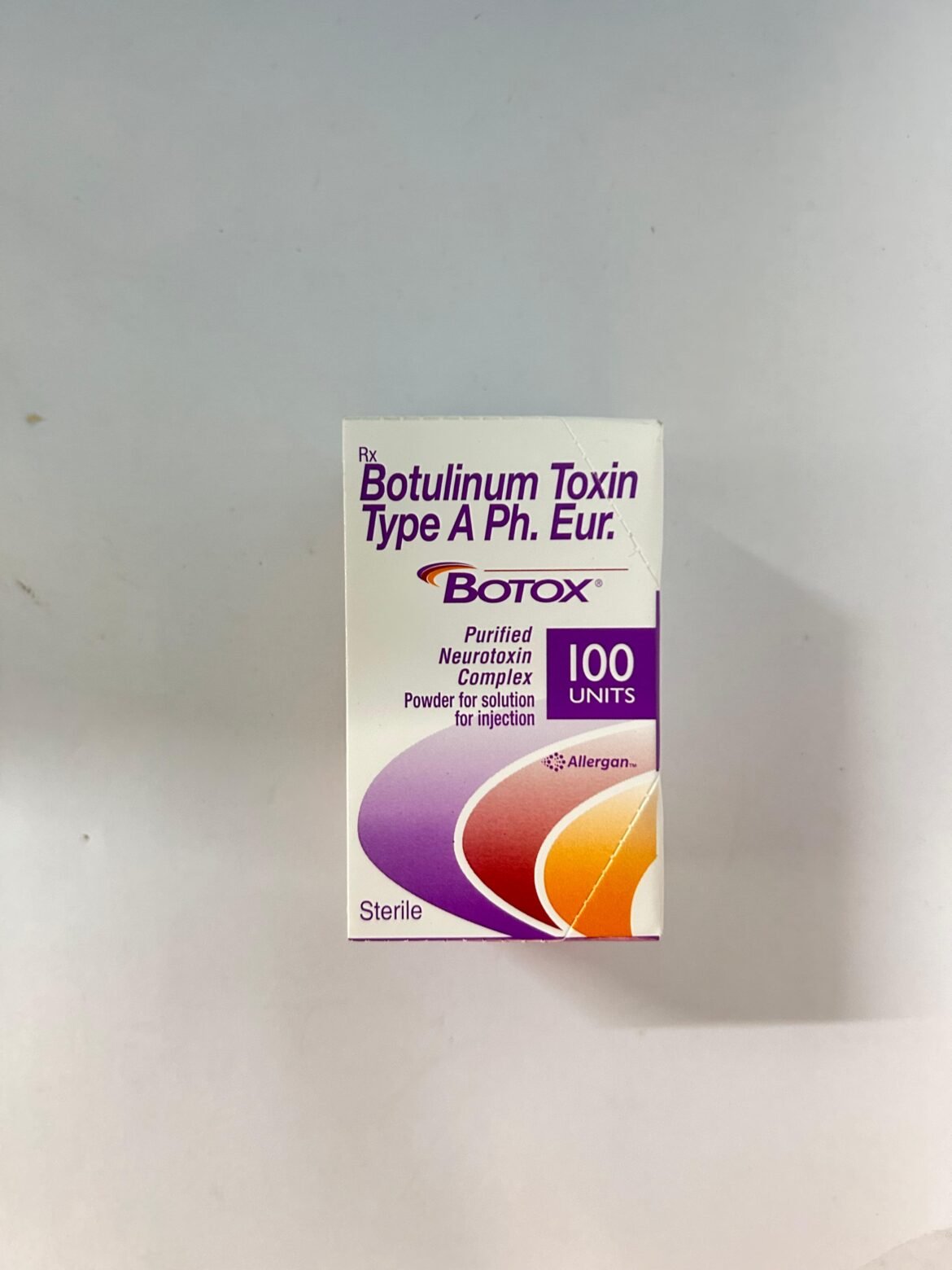
BOTOX is one of the best-known names in modern aesthetic medicine. As a prescription treatment containing onabotulinumtoxinA, BOTOX Cosmetic is designed to temporarily improve the appearance of specific moderate-to-severe facial lines in adults. It works differently from dermal fillers, making it an important category within professional aesthetic care.

At DermaScience Pro, we believe that understanding aesthetic products is an important part of making informed decisions. This guide explains 7 important facts about BOTOX, including what it is, how it works, commonly treated areas, expected results, safety considerations and questions to discuss with a qualified healthcare professional.

1. What Is BOTOX?
BOTOX Cosmetic is a prescription injectable containing onabotulinumtoxinA, a purified form of botulinum toxin type A. Rather than adding volume beneath the skin like a dermal filler, BOTOX works by temporarily reducing activity in targeted muscles.

Repeated facial movements such as frowning, squinting and raising the eyebrows can contribute to the appearance of expression lines. By temporarily reducing the activity of selected muscles, BOTOX Cosmetic can soften the appearance of certain dynamic facial lines.

The FDA-approved cosmetic uses include temporary improvement in the appearance of moderate-to-severe glabellar lines, lateral canthal lines, forehead lines and platysma bands in adults.

2. BOTOX Can Address Several Facial Areas
One of the reasons BOTOX remains popular is its established use across several specific aesthetic areas.

BOTOX Cosmetic is FDA-approved for temporary improvement of:

Forehead lines
Frown or glabellar lines between the eyebrows
Crow’s feet around the eyes
Vertical platysma bands connecting the neck and jaw
These areas involve different muscles and therefore require an individualized assessment by an appropriately qualified professional. The official BOTOX Cosmetic information emphasizes that treatment should be performed by a qualified healthcare provider who understands facial anatomy.

For additional information about aesthetic products, explore the DermaScience Pro Services page.

3. How Does BOTOX Work?
BOTOX works differently from dermal fillers.

Dermal fillers are generally designed to add volume, enhance contours or replace lost volume in particular facial areas. BOTOX, on the other hand, temporarily reduces the muscle activity responsible for certain expression lines.

According to the official BOTOX Cosmetic information, repeated muscle contractions can cause skin to furrow and fold. BOTOX works beneath the skin by temporarily reducing the underlying muscle activity associated with certain moderate-to-severe facial lines.

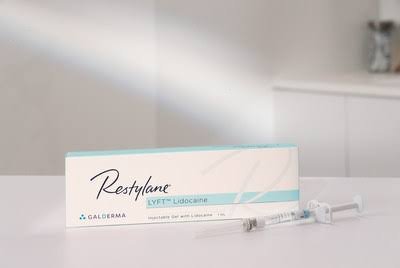
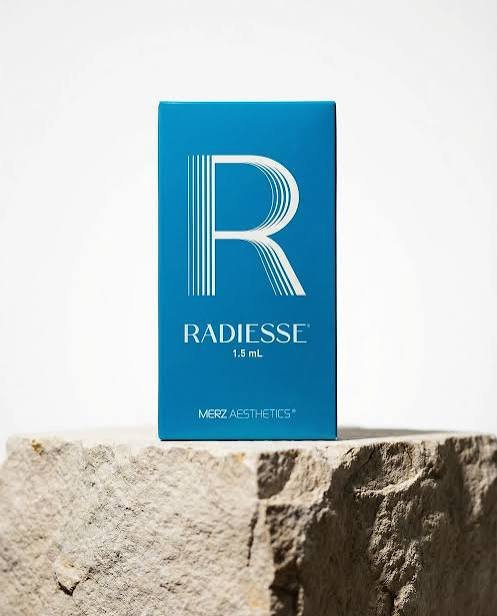
This distinction is important when comparing BOTOX with products such as JUVÉDERM, Restylane, Belotero or Radiesse. The right product depends on the aesthetic concern, treatment area and professional assessment.

4. BOTOX Results Are Temporary
BOTOX is not a permanent treatment. Its effects gradually wear off as muscle activity returns.

The official BOTOX Cosmetic FAQ states that people may begin seeing changes in the appearance of forehead lines, frown lines and crow’s feet within approximately 1–2 days, with full results developing over time. Results can last up to about four months, although individual experiences vary.

Because results are temporary, treatment planning should focus on realistic expectations rather than permanent correction.

Your healthcare professional can help determine whether BOTOX is appropriate and discuss how frequently future treatments may be considered.

5. BOTOX Is Not the Same as Dermal Fillers
A common misconception is that BOTOX and dermal fillers are interchangeable. They are not.

BOTOX primarily works by temporarily reducing targeted muscle activity. Dermal fillers generally work by adding volume or structure beneath the skin.

For example, someone interested in improving the appearance of forehead expression lines may be discussing a different type of aesthetic treatment from someone seeking additional facial volume.

At DermaScience Pro, our educational content covers both Botulinum Products and Dermal Fillers so visitors can understand the differences between these important aesthetic categories.

Visit our Shop to explore the product categories available through DermaScience Pro.

6. Safety and Professional Administration Matter
BOTOX is a prescription treatment, so professional assessment and administration are essential.

The FDA prescribing information states that BOTOX Cosmetic should be administered by appropriately trained healthcare professionals who understand the relevant neuromuscular and structural anatomy of the treatment area.

Like other medical treatments, BOTOX can have side effects. Reported effects may include injection-site discomfort, headache, tiredness, neck pain, dry mouth and certain eye-related effects such as eyelid or eyebrow drooping.

The prescribing information also carries a boxed warning concerning the potential for botulinum toxin effects to spread beyond the injection site, which can cause serious symptoms including difficulty swallowing, speaking or breathing. Anyone experiencing serious symptoms after treatment should seek medical attention promptly.

Therefore, product authenticity, appropriate storage, professional training and proper administration are all important considerations.

7. BOTOX Units Should Not Be Compared Directly With Other Botulinum Products
BOTOX is part of a broader category of botulinum toxin products that includes products such as Dysport, Xeomin and JEUVEAU.

However, the units used for BOTOX Cosmetic are specific to its formulation and testing method. The FDA states that BOTOX Cosmetic units are not interchangeable with units from other botulinum toxin preparations.

This means consumers should not assume that a particular number of BOTOX units is directly equivalent to the same number of units from another brand.

For this reason, product selection and treatment planning should be handled by a qualified professional rather than based solely on unit comparisons or online price comparisons.

BOTOX vs. Dermal Fillers: What’s the Difference?
Understanding the basic difference can make aesthetic research much easier.

BOTOX:

Temporarily reduces targeted muscle activity
Commonly used for expression-related lines
Includes approved uses for forehead lines, frown lines, crow’s feet and platysma bands
Produces temporary results
Dermal Fillers:

Generally add volume or structure
Often use materials such as hyaluronic acid or calcium hydroxylapatite
Can address selected areas where volume enhancement is appropriate
Product duration varies by filler and treatment area
Neither category is automatically better than the other. They serve different purposes, and some aesthetic plans may involve different products at different times.

What Should You Ask Before Considering BOTOX?
Before undergoing a BOTOX treatment, consider asking a qualified healthcare professional:

Is BOTOX appropriate for my aesthetic concern?
Which treatment area is being considered?
What results should I realistically expect?
How long might the effects last?
What side effects should I know about?
Are there medications or treatments I should disclose?
Who will administer the treatment?
Is the product authentic and properly handled?
What alternatives may be appropriate?
What should I do if I experience an unexpected reaction?
These questions can help create a more informed and responsible treatment experience.

Why BOTOX Is Important to DermaScience Pro
At DermaScience Pro, BOTOX fits within our broader focus on modern aesthetic and wellness products.

Our website provides educational information covering dermal fillers, botulinum products, peptides, weight-loss products and premium supplements. The goal is to make product information easier to understand while encouraging responsible decisions and professional guidance where appropriate.

Explore our About DermaScience Pro page to learn more about our focus, or visit the DermaScience Pro Blog for additional educational articles.

Frequently Asked Questions About BOTOX
Is BOTOX a dermal filler?
No. BOTOX is a botulinum toxin product that temporarily reduces targeted muscle activity. Dermal fillers generally add volume or structure beneath the skin.

How long does BOTOX last?
BOTOX Cosmetic results are temporary. The official manufacturer information states that results for forehead lines, frown lines and crow’s feet can last up to approximately four months, although individual results vary.

What is BOTOX Cosmetic made from?
BOTOX Cosmetic contains onabotulinumtoxinA, a botulinum toxin type A formulation used as a prescription injectable treatment.

Can BOTOX treat forehead lines?
Yes. BOTOX Cosmetic is FDA-approved for the temporary improvement in the appearance of moderate-to-severe forehead lines in adults.

Can BOTOX treat crow’s feet?
Yes. BOTOX Cosmetic is FDA-approved for temporary improvement in the appearance of moderate-to-severe lateral canthal lines, commonly called crow’s feet, in adults.

Is BOTOX permanent?
No. BOTOX provides temporary effects, and muscle activity gradually returns as the treatment wears off.

Is BOTOX the same as Dysport?
No. Both are botulinum toxin products, but they are different products with different formulations and unit systems. Their units should not be treated as directly interchangeable.

Final Thoughts
BOTOX has become an established name in aesthetic medicine because of its targeted approach to certain expression-related facial lines. Its use differs from dermal fillers, and understanding that distinction is essential when researching aesthetic options.

From forehead lines and frown lines to crow’s feet and approved platysma-band treatment, BOTOX Cosmetic has specific indications and important safety information. Results are temporary, individual outcomes vary, and professional assessment is an essential part of responsible treatment.

For more educational information about aesthetic products, visit the DermaScience Pro Blog or Contact DermaScience Pro with questions about our product categories.

Medical Disclaimer: This article is provided for general educational and informational purposes only. It is not medical advice, diagnosis or a substitute for consultation with a qualified healthcare professional. BOTOX Cosmetic is a prescription treatment, and approved indications, availability and regulatory requirements can vary by country. Always consult an appropriately qualified healthcare professional before considering treatment.
May 29, 2019 0 comment
0 FacebookTwitterPinterestEmail
Botulinum

Dysport: 7 Powerful Facts About This Botulinum Treatment

by maritpharmacy May 29, 2019
written by maritpharmacy

Dysport botulinum toxin aesthetic treatment information
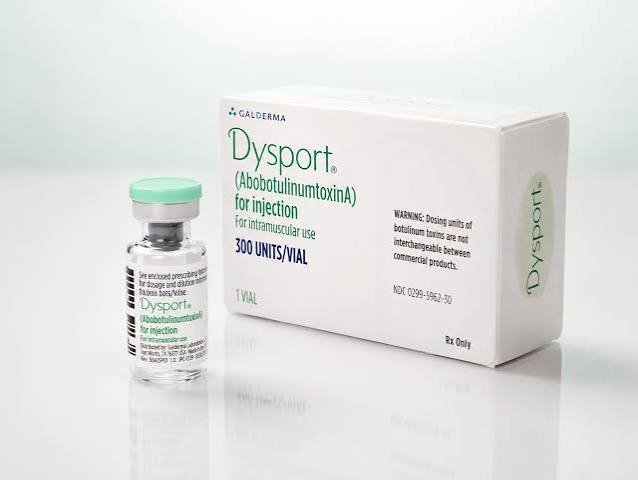
Dysport is a prescription botulinum toxin type A injection containing abobotulinumtoxinA. In the United States, its aesthetic indication is the temporary improvement in the appearance of moderate to severe glabellar lines, commonly called frown lines between the eyebrows, in adults younger than 65. Dysport is administered by a licensed healthcare professional.

At DermaScience Pro, we provide educational information about modern aesthetic and wellness products, including dermal fillers, botulinum products, peptides, weight-loss products, and premium supplements. Understanding how Dysport works, what it is approved for, and its important safety considerations can help consumers make better-informed decisions.

What Is Dysport?
Dysport is a botulinum neurotoxin type A product containing abobotulinumtoxinA. It works as a neuromuscular blocking agent by temporarily reducing the release of acetylcholine, which decreases activity in targeted muscles.

For aesthetic treatment in the United States, Dysport is approved for temporary improvement in the appearance of moderate to severe glabellar lines associated with activity of the procerus and corrugator muscles in adults younger than 65.

Because Dysport is a prescription injectable, it should be administered by an appropriately licensed healthcare professional.

7 Important Facts About Dysport
1. Dysport Contains AbobotulinumtoxinA
The active ingredient in Dysport is abobotulinumtoxinA, a botulinum toxin type A preparation.

Botulinum toxin products work by temporarily interfering with the nerve signals responsible for muscle contraction. In aesthetic applications, reducing activity in selected muscles can soften the appearance of certain expression-related lines.

Dysport therefore belongs to the same broad category as other botulinum toxin products, although its formulation, labeling, and potency units are product-specific.

2. Dysport Is Used for Glabellar Lines
One of the most important facts about Dysport is its U.S. aesthetic indication.

Dysport is indicated for the temporary improvement in the appearance of moderate to severe frown lines between the eyebrows, known as glabellar lines, in adults younger than 65. These lines are associated with the activity of the procerus and corrugator muscles.

This means consumers should distinguish between the product’s approved indication and broader claims sometimes made online about cosmetic uses.

A qualified practitioner can determine whether Dysport is appropriate for a particular aesthetic concern.

3. Dysport Temporarily Reduces Targeted Muscle Activity
Dysport injections work by temporarily reducing targeted muscle activity.

Acetylcholine is a chemical messenger involved in communication between nerves and muscles. Dysport interferes with acetylcholine release at the neuromuscular junction, temporarily reducing muscle contraction.

When used for glabellar lines, this mechanism can reduce the appearance of wrinkles associated with repeated muscle movement.

The effect is temporary, so Dysport does not permanently eliminate the underlying ability of the muscles to contract.

4. Dysport Is Different From Dermal Fillers
It is important to understand that Dysport is not a dermal filler.

Products such as JUVÉDERM and Restylane are dermal fillers that use injectable materials such as hyaluronic acid for their specific approved applications. Dysport, on the other hand, is a botulinum toxin product that temporarily modifies targeted muscle activity.

This difference affects how the products work and the types of aesthetic concerns they are designed to address.

For anyone researching modern aesthetic products, understanding this distinction is an important first step.

Explore the DermaScience Pro Services page to learn more about our aesthetic and wellness categories.

5. Dysport Can Have a Relatively Fast Onset
According to the manufacturer’s current patient information, some people may see changes as early as 24 hours after treatment, while more than half of study participants reported improvement within approximately 2–3 days. Individual results vary.

The speed at which someone notices an effect can differ based on individual factors, the treatment area, muscle activity, and other considerations.

Therefore, marketing claims about rapid results should not be interpreted as a guarantee that every person will experience the same timeline.

6. Dysport Results Are Temporary
Another important fact about Dysport is that its effects are temporary.

The manufacturer reports that results may last for up to approximately five months based on clinical study data, although individual experiences can differ.

Factors that can influence an individual’s experience may include muscle activity, treatment characteristics, individual response, and whether the person has received previous treatments.

Because the effect is temporary, people who continue treatment typically discuss future appointments with their healthcare professional based on their individual response.

7. Dysport Has Important Safety Considerations
Although Dysport is an established prescription product, it has important safety warnings and potential adverse reactions.

The FDA prescribing information includes a boxed warning about distant spread of toxin effect. In some cases, botulinum toxin effects can extend beyond the injection site. Reported symptoms may include swallowing or breathing difficulties, generalized weakness, vision problems, eyelid drooping, speech difficulties, or other neurological symptoms.

The manufacturer’s information also lists possible side effects such as headache, injection-site pain or skin reactions, eyelid swelling or drooping, sinus inflammation, nausea, and upper respiratory tract infection.

Anyone considering Dysport should discuss medical history, allergies, medications, previous botulinum toxin treatment, and other relevant factors with a qualified healthcare professional.

Dysport and Natural-Looking Results
A common goal of aesthetic botulinum toxin treatment is to soften the appearance of lines while maintaining natural facial expression.

The manufacturer describes Dysport as temporarily improving frown lines while allowing untreated facial muscles to continue functioning normally. However, individual results vary and no treatment can guarantee a particular appearance.

A responsible treatment plan should therefore focus on appropriate product selection, facial anatomy, realistic expectations, and professional assessment.

Dysport vs. Botox
Dysport and Botox are both botulinum toxin type A products, but they are not identical products.

Dysport contains abobotulinumtoxinA, while Botox Cosmetic contains onabotulinumtoxinA. Their approved indications, formulations, prescribing information, and potency units differ.

An especially important point is that Dysport units cannot be directly converted to units of another botulinum toxin product. The FDA prescribing information states that Dysport potency units are specific to the product and its assay method and are not interchangeable with other botulinum toxin preparations.

Consumers should therefore avoid comparing products simply by looking at the number of units.

Dysport vs. Dermal Fillers
Dysport and dermal fillers address different aesthetic mechanisms.

Dysport temporarily reduces targeted muscle activity, while dermal fillers are injectable materials used for specific indications involving volume, contour, wrinkles, folds, lips, cheeks, or other areas depending on the product.

For example:

Dysport → botulinum toxin type A
JUVÉDERM → primarily hyaluronic acid dermal fillers
Restylane → hyaluronic acid dermal filler collection
Radiesse → calcium hydroxylapatite dermal filler
The appropriate product depends on the individual’s concern, anatomy, treatment goals, medical history, and professional evaluation.

What Should You Ask Before Dysport Treatment?
Before considering Dysport treatment, ask your qualified healthcare professional:

Is Dysport appropriate for my specific concern?
What is the approved indication in my country?
What results can I realistically expect?
How long might the effects last?
What side effects should I expect?
What serious complications should I know about?
Are any of my medications or medical conditions relevant?
How does Dysport differ from other botulinum toxin products?
What qualifications does the practitioner have?
What should I do if I experience an unusual reaction?
These questions can make your consultation more informative and help ensure that decisions are based on professional advice rather than online marketing claims.

Dysport at DermaScience Pro
DermaScience Pro focuses on five core aesthetic and wellness categories:

Dermal Fillers
Botulinum Products
Peptides
Weight-Loss Products
Premium Supplements
Our goal is to provide clear educational information about modern products and technologies.

Visit the DermaScience Pro Shop to explore available categories, learn more through our About DermaScience Pro page, or explore the DermaScience Pro Blog for additional aesthetic and wellness information.

If you have questions about our website or the information presented, you can also Contact DermaScience Pro.

Frequently Asked Questions About Dysport
What is Dysport?
Dysport is a prescription botulinum toxin type A injection containing abobotulinumtoxinA. In the United States, it is indicated for temporary improvement in the appearance of moderate to severe glabellar lines in adults younger than 65.

What is Dysport used for?
Its U.S. aesthetic indication is the temporary improvement in the appearance of moderate to severe frown lines between the eyebrows, or glabellar lines.

Is Dysport a dermal filler?
No. Dysport is a botulinum toxin product. Dermal fillers use different injectable materials and have different approved indications.

How does Dysport work?
Dysport temporarily reduces nerve-mediated muscle activity by inhibiting acetylcholine release at the neuromuscular junction.

How quickly does Dysport work?
Some people may notice changes within 24 hours, while the manufacturer’s information reports that more than half of study participants saw improvement within approximately 2–3 days. Individual results vary.

How long does Dysport last?
The manufacturer states that results may last up to approximately five months, although individual results vary.

Is Dysport safe?
Dysport is a prescription product with established indications, but it also has important warnings, contraindications, and potential side effects. It should be administered by an appropriately licensed healthcare professional.

Can Dysport units be converted to Botox units?
No. Dysport units are product-specific and are not directly interchangeable with units of other botulinum toxin products.

Final Thoughts on Dysport
Dysport is an established botulinum toxin type A product containing abobotulinumtoxinA. In the United States, its aesthetic indication is the temporary improvement in the appearance of moderate to severe glabellar lines in adults younger than 65.

Its mechanism is different from dermal fillers because Dysport temporarily reduces targeted muscle activity rather than adding volume to tissue. Results are temporary, and individual experiences can vary.

Most importantly, Dysport is a prescription injectable with important safety considerations. Appropriate professional assessment, product-specific knowledge, qualified administration, and realistic expectations are essential.

At DermaScience Pro, we encourage readers to use reliable information when researching aesthetic and wellness products and to consult appropriately qualified healthcare professionals before making treatment decisions.

Explore our Shop, Services, and Blog sections for more educational content.

Medical Disclaimer: This article is for general educational and informational purposes only. It does not provide medical advice, diagnosis, or treatment recommendations. Dysport has specific indications, contraindications, warnings, and prescribing requirements. Always consult an appropriately qualified healthcare professional for individualized advice.

May 29, 2019 0 comment
0 FacebookTwitterPinterestEmail
Botulinum

JEUVEAU: 7 Powerful Facts About This Botulinum Treatment

by maritpharmacy May 29, 2019
written by maritpharmacy

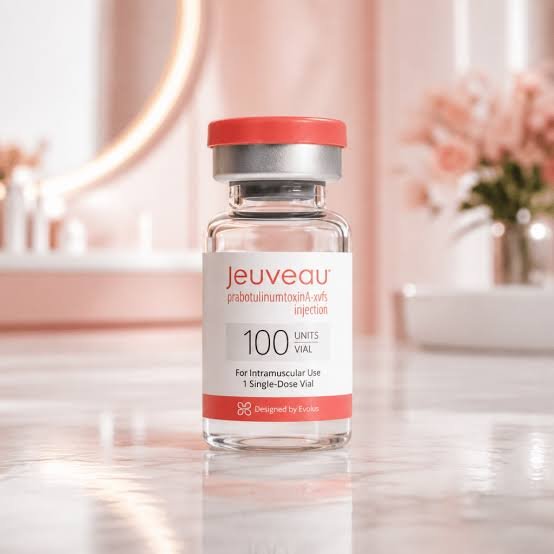
  JEUVEAU botulinum toxin aesthetic treatment information
JEUVEAU is a prescription botulinum toxin type A product containing prabotulinumtoxinA-xvfs. In the United States, JEUVEAU is FDA-approved for the temporary improvement in the appearance of moderate to severe glabellar lines, commonly known as frown lines, in adults. These lines are associated with activity of the corrugator and/or procerus muscles.

At DermaScience Pro, we provide educational information about modern aesthetic and wellness products, including dermal fillers, botulinum products, peptides, weight-loss products, and premium supplements. Understanding what JEUVEAU is, what it is approved for, and the important safety considerations can help consumers approach aesthetic treatments more responsibly.

What Is JEUVEAU?
JEUVEAU is a botulinum toxin type A injectable containing prabotulinumtoxinA-xvfs. It works as a neuromuscular blocking agent by reducing the release of acetylcholine at the neuromuscular junction, which temporarily reduces targeted muscle activity.

In the United States, its FDA-approved aesthetic indication is specifically the temporary improvement in the appearance of moderate to severe glabellar lines in adults.

Because JEUVEAU is a prescription injectable, it should be evaluated and administered by an appropriately qualified healthcare professional.

7 Important Facts About JEUVEAU
1. JEUVEAU Contains PrabotulinumtoxinA-xvfs
The active ingredient in JEUVEAU is prabotulinumtoxinA-xvfs, a botulinum toxin type A product.

Botulinum toxin products work by temporarily reducing nerve-mediated muscle activity. In aesthetic applications, this can soften the appearance of certain expression-related lines.

JEUVEAU is therefore part of the broader category of botulinum toxin aesthetic treatments, but its product-specific labeling and approved uses should always be considered independently.

2. JEUVEAU Is FDA-Approved for Glabellar Lines
One of the most important facts about JEUVEAU is its FDA-approved indication.

In the United States, JEUVEAU is indicated for the temporary improvement in the appearance of moderate to severe glabellar lines associated with corrugator and/or procerus muscle activity in adult patients.

Glabellar lines are the vertical lines that commonly appear between the eyebrows and can become more noticeable during facial expressions such as frowning.

This specific indication should not be confused with approval for every type of facial wrinkle or cosmetic concern.

3. JEUVEAU Temporarily Reduces Targeted Muscle Activity
The mechanism behind JEUVEAU involves neuromuscular signaling.

Botulinum toxin reduces the release of acetylcholine, a neurotransmitter involved in muscle contraction. This produces temporary reduction in the activity of the targeted muscles.

When used for its approved aesthetic indication, reducing activity in specific muscles can improve the appearance of glabellar lines.

The effects are temporary, meaning the treatment does not permanently eliminate the underlying muscle activity.

4. JEUVEAU Is Different From Dermal Fillers
It is important to distinguish JEUVEAU from dermal fillers such as JUVÉDERM, Restylane, or Radiesse.

JEUVEAU is a botulinum toxin product that temporarily reduces targeted muscle activity. Dermal fillers, by contrast, are injectable materials used for specific indications involving volume, contour, wrinkles, or other facial areas.

For example, hyaluronic acid fillers can add or restore volume in selected facial areas, while botulinum toxin products are used to influence muscle activity.

Understanding this distinction can help consumers have more productive conversations with qualified aesthetic professionals.

Explore the DermaScience Pro Services page to learn more about our aesthetic and wellness product categories.

5. JEUVEAU Is Not Approved for Every Cosmetic Concern
Another important point about JEUVEAU is that its U.S. FDA-approved indication is specific.

The FDA labeling states that JEUVEAU is approved for the temporary improvement of moderate to severe glabellar lines and is not approved for conditions such as spasticity.

This means consumers should be cautious about online claims suggesting that JEUVEAU is automatically appropriate for every facial wrinkle, body area, or medical condition.

Product indications can also differ between countries. Always check the current official product information applicable to your location.

6. Qualified Administration Is Essential
JEUVEAU is a prescription injectable product. Proper administration requires knowledge of facial anatomy, injection technique, product-specific information, contraindications, and potential complications.

The FDA prescribing information emphasizes that the potency units of JEUVEAU are specific to the product and are not interchangeable with units of other botulinum toxin preparations.

This is an important reason why consumers should not attempt to calculate or convert doses between different botulinum toxin brands.

Treatment should be performed by an appropriately qualified healthcare professional who can evaluate the individual’s circumstances and determine whether treatment is appropriate.

7. JEUVEAU Has Important Safety Warnings
Like other botulinum toxin products, JEUVEAU carries important safety warnings.

The FDA prescribing information contains a boxed warning concerning the possibility that botulinum toxin effects may spread beyond the injection area. Symptoms can occur hours to weeks after injection and may include swallowing or breathing difficulties, which can be life-threatening.

The prescribing information also lists contraindications including hypersensitivity to a botulinum toxin preparation or its components and infection at the proposed injection site.

Common adverse reactions reported in the prescribing information include headache and eyelid ptosis, among others.

Anyone considering treatment should discuss their medical history, medications, allergies, previous botulinum toxin treatments, and relevant health conditions with their healthcare professional.

JEUVEAU and Facial Aesthetics
Facial expression is produced through coordinated muscle activity. Repeated contraction of certain muscles can contribute to dynamic lines, including the glabellar lines between the eyebrows.

JEUVEAU is designed for a specific aesthetic purpose: temporarily improving the appearance of moderate to severe glabellar lines associated with particular muscle activity in adults.

A qualified professional can evaluate facial anatomy and determine whether a particular treatment is appropriate.

A responsible aesthetic approach should focus on appropriate indications and realistic expectations rather than promising a specific appearance.

JEUVEAU vs. Other Botulinum Products
JEUVEAU belongs to the botulinum toxin type A category, alongside other well-known products used for aesthetic and medical purposes.

However, different botulinum toxin products have their own formulations, labeling, indications, units, and prescribing information.

The FDA specifically states that JEUVEAU potency units cannot be directly converted to units of other botulinum toxin products because the products use different assay methods.

Therefore, consumers should avoid assuming that the number of units of one brand is equivalent to the same number of units of another brand.

What Should You Discuss Before JEUVEAU Treatment?
Before considering JEUVEAU, ask a qualified healthcare professional:

Is JEUVEAU appropriate for my specific concern?
What is the approved indication for the product in my country?
What results should I realistically expect?
What are the common side effects?
What serious complications should I know about?
Are there medical conditions or medications that affect suitability?
What qualifications and experience does the practitioner have?
How does JEUVEAU differ from other botulinum toxin products?
What should I do if I experience an unusual reaction?
What follow-up care is recommended?
These questions can help ensure that treatment decisions are based on professional assessment rather than online marketing claims.

JEUVEAU at DermaScience Pro
DermaScience Pro focuses on five core aesthetic and wellness categories:

Dermal Fillers
Botulinum Products
Peptides
Weight-Loss Products
Premium Supplements
Our goal is to provide useful educational information about products and technologies while encouraging responsible decision-making.

Visit our DermaScience Pro Shop to explore available categories, learn more through our About DermaScience Pro page, or browse the DermaScience Pro Blog for additional aesthetic and wellness information.

If you have questions about our website or product information, you can also Contact DermaScience Pro.

Frequently Asked Questions About JEUVEAU
What is JEUVEAU?
JEUVEAU is a prescription botulinum toxin type A injectable containing prabotulinumtoxinA-xvfs. In the United States, it is FDA-approved for temporary improvement in the appearance of moderate to severe glabellar lines in adults.

What is JEUVEAU used for?
Its U.S. FDA-approved aesthetic indication is the temporary improvement in the appearance of moderate to severe glabellar lines associated with corrugator and/or procerus muscle activity in adults.

Is JEUVEAU a dermal filler?
No. JEUVEAU is a botulinum toxin product, whereas dermal fillers use injectable materials such as hyaluronic acid or calcium hydroxylapatite for their specific approved applications.

How does JEUVEAU work?
JEUVEAU temporarily reduces targeted muscle activity by inhibiting acetylcholine release at the neuromuscular junction.

Is JEUVEAU permanent?
No. JEUVEAU produces temporary effects. The duration can vary between individuals and depends on factors including the treatment area and individual response.

Is JEUVEAU safe?
JEUVEAU has an FDA-approved indication, but it also carries important warnings, contraindications, and potential adverse reactions. Treatment should be performed by an appropriately qualified healthcare professional.

Can JEUVEAU be used for all facial wrinkles?
No. Its U.S. FDA-approved aesthetic indication is specifically for moderate to severe glabellar lines. Other uses may be subject to different regulatory requirements and should not be assumed to be approved.

Final Thoughts on JEUVEAU
JEUVEAU is an established botulinum toxin type A product containing prabotulinumtoxinA-xvfs. In the United States, it is FDA-approved for the temporary improvement in the appearance of moderate to severe glabellar lines in adults.

Its mechanism involves temporarily reducing targeted muscle activity, making it fundamentally different from dermal fillers such as JUVÉDERM, Restylane, or Radiesse.

However, JEUVEAU is a prescription injectable with important safety considerations. Product-specific labeling, qualified administration, appropriate patient evaluation, and realistic expectations are essential.

At DermaScience Pro, we encourage readers to learn about aesthetic products from reliable sources and consult appropriately qualified healthcare professionals before making treatment decisions.

Explore our Shop, Services, and Blog sections for more educational content.

Medical Disclaimer: This article is for general educational and informational purposes only. It does not provide medical advice, diagnosis, or treatment recommendations. JEUVEAU has specific indications, contraindications, warnings, and prescribing requirements. Always consult an appropriately qualified healthcare professional for individualized advice.

May 29, 2019 0 comment
0 FacebookTwitterPinterestEmail
Weight Loss

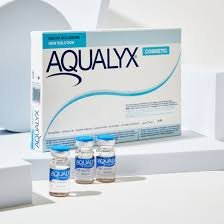
Aqualyx: 7 Powerful Facts About This Fat-Dissolving Treatment

by maritpharmacy May 29, 2019
written by maritpharmacy

  Aqualyx fat dissolving injection and body contouring information
Aqualyx is an injectable product associated with non-surgical reduction of localized fat deposits through injection lipolysis or intralipotherapy. It is based on a deoxycholate-derived formulation and has been used in some markets for localized body contouring. However, its regulatory status is not the same in every country, so customers and practitioners should always verify the current authorization and product documentation applicable to their market.

For anyone researching Aqualyx, understanding what it is, how it is intended to be used, the difference between localized fat reduction and weight loss, and the importance of qualified administration is essential.

At DermaScience Pro, we provide educational information about aesthetic and wellness products, including dermal fillers, botulinum products, peptides, weight-loss products, and premium supplements. This guide is designed to help readers understand the important considerations surrounding Aqualyx before making an informed decision.

What Is Aqualyx?
Aqualyx is an injectable fat-dissolving product associated with the treatment of localized subcutaneous fat. Product information describes it as a gel-based aqueous solution containing a modified deoxycholate compound. Deoxycholate is a bile-acid derivative that can disrupt fat-cell membranes.

Aqualyx is generally discussed in connection with intralipotherapy, a technique involving the injection of a fat-dissolving solution into targeted subcutaneous adipose tissue.

Importantly, Aqualyx should not be presented as a general weight-loss treatment. It is intended for localized contouring rather than replacing healthy weight management or surgical procedures when substantial fat reduction is required.

7 Important Facts About Aqualyx
1. Aqualyx Is Designed for Localized Fat Reduction
The primary purpose associated with Aqualyx is localized fat reduction and body contouring.

Unlike general weight-loss medications, Aqualyx is intended to target specific pockets of subcutaneous fat. Product and clinical information describes its use for localized adipose deposits that may remain despite diet and exercise.

This distinction is important because localized fat reduction is not the same as weight loss.

People considering Aqualyx should therefore have realistic expectations about what an injectable contouring treatment can accomplish.

2. Aqualyx Uses a Deoxycholate-Derived Formulation
A major feature of Aqualyx is its relationship to deoxycholate.

Product information describes Aqualyx as containing a modified form of deoxycholic acid or sodium deoxycholate. These compounds can interact with fat-cell membranes and promote disruption of adipose cells.

This mechanism is also relevant to the broader field of injection lipolysis.

However, the presence of deoxycholate does not mean that every deoxycholate-containing product is interchangeable. Formulation, concentration, regulatory status, administration technique, and intended indication can all differ.

3. Aqualyx Is Not a General Weight-Loss Solution
One of the most important points about Aqualyx fat dissolving treatments is that they should not be confused with systemic weight-loss medications.

Aqualyx is associated with targeted treatment of localized fat deposits rather than overall body-weight reduction. Clinical and practitioner information describes its use for small-to-moderate localized areas rather than large-volume fat removal.

For someone seeking significant weight reduction, a qualified healthcare professional should discuss evidence-based weight-management options instead.

Visit the DermaScience Pro Services page to learn more about the product categories covered on our website.

4. Professional Administration Is Extremely Important
Aqualyx is an injectable product, meaning that proper administration is a major safety consideration.

Injection lipolysis requires knowledge of anatomy, product handling, injection depth, treatment areas, and potential complications. Published medical literature emphasizes the importance of adequate practitioner training and standardized technique.

Improper injection can produce serious complications. A published case report described severe complications following an injection marketed as Aqualyx where the product’s authenticity could not be confirmed and the injection was reportedly administered too superficially.

For this reason, consumers should never attempt to inject Aqualyx themselves or allow unqualified individuals to administer injectable fat-dissolving products.

5. Regulatory Status Depends on the Country
This is one of the most important facts when researching Aqualyx.

Aqualyx does not have FDA approval as a fat-dissolving injectable in the United States. The FDA specifically lists Aqualyx among fat-dissolving injections that have been marketed without FDA approval. The agency states that Kybella, whose active ingredient is deoxycholic acid, is the only FDA-approved fat-dissolving injectable for reducing submental fat in adults in the United States.

However, regulatory status can differ in other jurisdictions. Some sources describe Aqualyx as having been used or authorized under European regulatory frameworks for localized fat reduction. Because regulatory requirements can change, users should verify current local authorization rather than assuming that approval in one market applies everywhere.

This makes checking current official regulatory information particularly important.

6. Aqualyx Treatment Can Produce Local Reactions
As with injectable procedures generally, Aqualyx treatment can be associated with local reactions.

Depending on the treatment and individual response, patients may experience swelling, redness, tenderness, bruising, firmness, sensitivity, or temporary discomfort.

Published reports also demonstrate that improper administration can result in more serious complications, including infection, nodules, tissue injury, and skin necrosis.

Therefore, a qualified practitioner should explain potential risks before treatment and provide appropriate aftercare instructions.

Unexpected or severe symptoms should be evaluated promptly by a healthcare professional.

7. Aqualyx Is Different From Kybella
Because both products are associated with deoxycholic acid or deoxycholate-based fat reduction, people sometimes assume that Aqualyx and Kybella are simply different names for the same treatment.

They are not interchangeable products.

Kybella is FDA-approved in the United States for reducing moderate-to-severe submental fat in adults. Aqualyx has a different regulatory history and is not FDA-approved for fat reduction in the United States.

Therefore, consumers should evaluate each product according to its own formulation, labeling, approved or authorized uses, and local regulatory requirements.

How Does Aqualyx Work?
Aqualyx is associated with injection lipolysis, in which a fat-dissolving solution is introduced into targeted subcutaneous adipose tissue.

Deoxycholate-derived compounds can disrupt the membranes of fat cells. This process can result in the breakdown of treated adipocytes, after which the body processes the cellular contents.

Research on intralipotherapy has emphasized the importance of appropriate patient selection, practitioner training, standardized techniques, and careful treatment planning.

The exact response can vary between individuals, and treatment should not be promoted as a guaranteed way to achieve a particular body shape.

What Areas May Be Considered for Aqualyx?
Depending on the jurisdiction, product instructions, practitioner training, and treatment protocol, Aqualyx has been associated with localized areas such as:

Under the chin
Abdomen
Flanks
Thighs
Upper arms
Other localized subcutaneous fat deposits
However, treatment areas should never be assumed from online advertisements alone. The appropriate treatment area should be determined using the product’s current documentation and a qualified professional assessment.

Aqualyx vs. Traditional Liposuction
Aqualyx and liposuction are fundamentally different approaches.

Aqualyx is associated with injectable, non-surgical localized fat reduction, while liposuction is a surgical procedure that physically removes fat from selected areas.

For larger amounts of fat or more extensive body contouring, liposuction may be considered more appropriate than an injectable approach. Aqualyx is generally discussed in connection with smaller, localized fat deposits.

The appropriate option depends on the individual’s anatomy, goals, medical history, expectations, and professional assessment.

Why Product Authenticity Matters
When researching Aqualyx, product authenticity is an important consideration.

The injectable market contains products sold through different channels, and counterfeit or improperly labeled products can present significant risks. Customers should look for legitimate packaging, manufacturer information, batch details, expiration information, and appropriate documentation.

Do not purchase or use an injectable product simply because an online seller describes it as authentic.

For professional or medical products, sourcing and verification are especially important.

Aqualyx at DermaScience Pro
DermaScience Pro provides educational information across five primary product categories:

Dermal Fillers
Botulinum Products
Peptides
Weight-Loss Products
Premium Supplements
Our objective is to make information about modern aesthetic and wellness products easier to understand while encouraging responsible decision-making.

Explore the DermaScience Pro Shop to review available product categories, visit About DermaScience Pro to learn more about our website, or explore our DermaScience Pro Blog for additional educational content.

If you have questions about the information presented on our website, you can also Contact DermaScience Pro.

Questions to Ask Before Aqualyx Treatment
Before considering Aqualyx, ask a qualified practitioner:

What exact Aqualyx product is being used?
Is the product authentic and appropriately sourced?
What is its current regulatory status in my country?
What areas is the product authorized or intended for?
What qualifications and training does the practitioner have?
What risks and side effects should I understand?
What alternatives are available?
Is the treatment appropriate for my individual circumstances?
What should I expect during recovery?
What symptoms would require urgent medical attention?
These questions can help you approach an injectable treatment with realistic expectations.

Frequently Asked Questions About Aqualyx
What is Aqualyx?
Aqualyx is an injectable product associated with non-surgical localized fat reduction and intralipotherapy. Product information describes a deoxycholate-derived formulation used for targeted subcutaneous fat deposits.

Is Aqualyx a weight-loss treatment?
No. Aqualyx should not be considered a general weight-loss treatment. It is associated with localized fat reduction and body contouring rather than overall weight management.

Is Aqualyx FDA-approved?
No. The FDA states that Aqualyx is among fat-dissolving injections marketed without FDA approval in the United States. The FDA identifies Kybella as the only FDA-approved fat-dissolving injectable for reducing submental fat in adults.

What is the main ingredient in Aqualyx?
Aqualyx product information describes a modified deoxycholate or sodium-deoxycholate-based formulation. Exact formulation details should always be confirmed from current official product documentation.

Can Aqualyx replace liposuction?
Not necessarily. Aqualyx is generally associated with localized, smaller-volume fat reduction, while liposuction is a surgical technique capable of removing larger amounts of fat. A qualified practitioner can discuss which approach is appropriate.

Is Aqualyx safe?
Safety depends on the authentic product, appropriate indication, practitioner qualifications, injection technique, patient factors, and regulatory environment. Improper administration can result in serious complications, so Aqualyx should not be self-injected.

Final Thoughts on Aqualyx
Aqualyx is an injectable product associated with non-surgical localized fat reduction and body contouring. Its deoxycholate-derived formulation distinguishes it from many other aesthetic products, while its regulatory status demonstrates why country-specific verification is essential.

Most importantly, Aqualyx should not be confused with a general weight-loss medication. Anyone considering an injectable fat-dissolving treatment should verify the product, understand its regulatory status, choose an appropriately qualified practitioner, and discuss potential risks and alternatives.

At DermaScience Pro, we believe informed decisions start with accurate product information. Explore our Shop, Services, and Blog sections for more educational content.

Medical Disclaimer: This article is for educational purposes only and does not constitute medical advice, diagnosis, or treatment. Regulatory status, approved uses, formulations, and professional requirements can vary by country and may change. Always consult an appropriately qualified healthcare professional and verify current official product documentation before considering an injectable treatment.

May 29, 2019 0 comment
0 FacebookTwitterPinterestEmail
Weight Loss

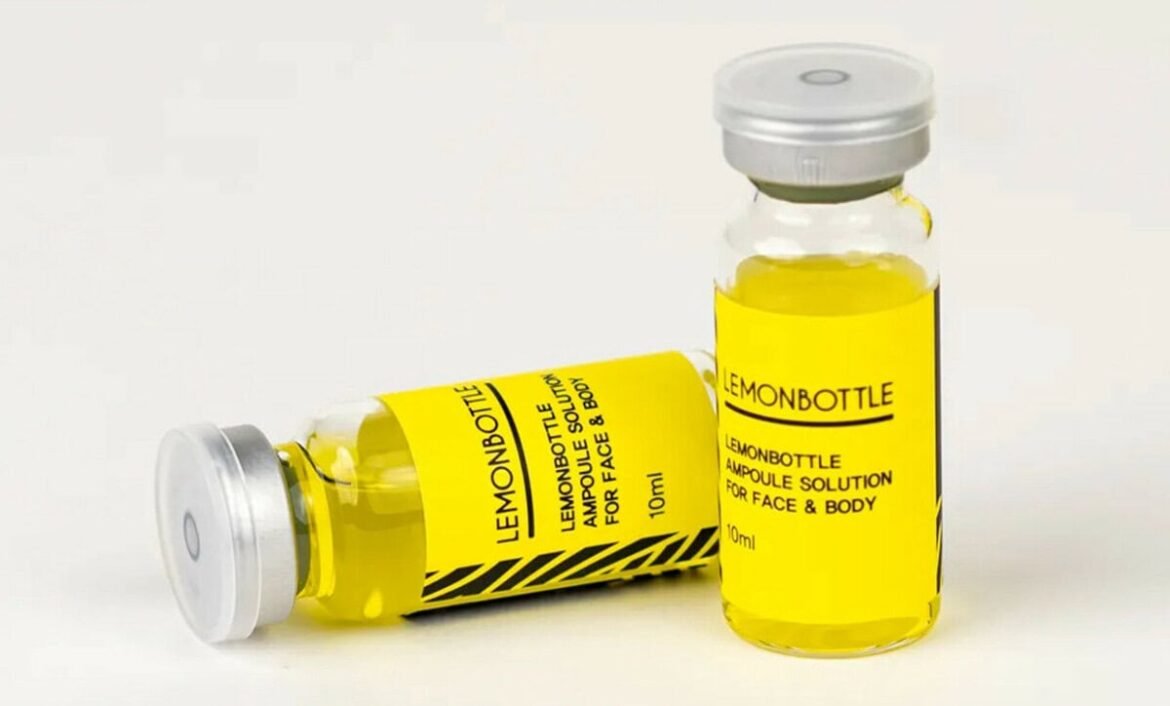
Lemond Bottle: 7 Important Facts to Know Before You Buy

by maritpharmacy May 29, 2019
written by maritpharmacy

  Lemond Bottle product information and wellness guide
Lemond Bottle is a product name that may refer to a specific packaged aesthetic, wellness, supplement, or related product. Because product names can be used for different formulations and markets, it is important to verify the exact product, ingredients, manufacturer, intended use, and labeling before making purchasing or usage decisions.

At DermaScience Pro, we focus on providing clear and responsible information about aesthetic and wellness products. Our product categories include dermal fillers, botulinum products, peptides, weight-loss products, and premium supplements. This guide provides a practical overview of the key information customers should check when researching Lemond Bottle.

What Is Lemond Bottle?
Lemond Bottle should be evaluated according to its official product label and manufacturer information. A product name alone does not provide enough information to determine its ingredients, intended application, strength, safety profile, or regulatory status.

Before purchasing a Lemond Bottle, customers should check the packaging for the complete product name, manufacturer, ingredient list, batch or lot information, expiration date, storage instructions, and intended use.

This is especially important when a product is marketed for aesthetic, wellness, weight-management, or supplement purposes.

7 Important Facts About Lemond Bottle
1. Lemond Bottle Should Be Identified by Its Official Label
The first step when researching Lemond Bottle is confirming the exact product. Similar names can sometimes refer to completely different formulations.

Look for:

Full product name
Manufacturer or brand
Ingredient list
Product category
Lot or batch number
Expiration date
Storage requirements
Directions or professional-use information
Applicable regulatory information
These details provide a much stronger basis for evaluating a product than its name alone.

2. Ingredients Matter More Than Marketing Claims
When considering Lemond Bottle, review the ingredient list carefully.

Ingredients can help determine whether a product is a supplement, cosmetic, injectable, peptide-related product, or another type of formulation. They can also help customers identify potential allergens or ingredients that may be unsuitable for them.

Avoid relying exclusively on claims such as “premium,” “advanced,” “powerful,” or “professional.” Instead, compare those claims with the manufacturer’s documented product information.

3. Product Purpose Should Be Clearly Defined
A responsible product listing should clearly explain what the product is designed for.

For Lemond Bottle, the intended use should come directly from reliable product documentation. If the product is intended for professional use, the label should provide appropriate instructions and restrictions.

Customers should never assume that a product is suitable for injection, oral consumption, topical use, or another application simply because of how it is presented online.

4. Packaging and Authenticity Are Important
Authentic packaging can provide valuable information about a product.

When researching Lemond Bottle, check whether the packaging contains consistent branding, product details, lot information, expiration information, and manufacturer details.

Customers should be cautious when purchasing products with:

Missing labels
Altered packaging
Unclear manufacturers
Missing expiration dates
Unusual spelling or printing
Damaged seals
Unverifiable product information
If authenticity cannot be established, it is better to seek clarification before purchasing or using the product.

5. Storage Requirements Should Be Followed
Different products can have very different storage requirements.

Some products may require room-temperature storage, while others may need protection from heat, light, or moisture. Certain products may also have specific requirements after opening.

For this reason, Lemond Bottle should be stored according to the manufacturer’s official instructions rather than assumptions based on other products.

Correct storage can help preserve product quality and prevent avoidable deterioration.

6. Professional Products Require Appropriate Expertise
If Lemond Bottle is intended for professional aesthetic, medical, injectable, or clinical use, it should only be handled or administered by appropriately qualified professionals and according to applicable laws and manufacturer instructions.

This distinction is particularly important for injectable products.

Consumers should not attempt to inject or otherwise administer an unfamiliar product based only on information found online. Product identity, ingredients, intended route of administration, contraindications, and safety requirements should be confirmed first.

For more information about the product categories covered by our website, visit the DermaScience Pro Services page.

7. Reliable Product Information Makes Better Decisions Possible
Online product descriptions can sometimes provide incomplete information. A better approach is to compare the product listing with the manufacturer’s documentation and other authoritative resources.

When researching Lemond Bottle, consider asking:

Who manufactures the product?
What are its active and inactive ingredients?
What is the intended use?
Is it intended for professional or consumer use?
How should it be stored?
What warnings and contraindications apply?
Is the product approved or authorized for its intended use in the relevant market?
These questions can help customers make more informed decisions.

Lemond Bottle and DermaScience Pro
DermaScience Pro provides information across several aesthetic and wellness categories. These include dermal fillers, botulinum products, peptides, weight-loss products, and premium supplements.

Our goal is to make product information easier to understand while encouraging responsible purchasing and professional guidance where appropriate.

Visit the DermaScience Pro Shop to explore our product categories or visit our About DermaScience Pro page to learn more about our website.

You can also explore the DermaScience Pro Blog for additional educational articles about aesthetic and wellness products.

How to Evaluate Lemond Bottle Before Purchase
Before purchasing Lemond Bottle, use a simple verification process.

Check the Product Name
Confirm that the name on the website matches the name printed on the actual packaging.

Review the Ingredients
Look for a complete ingredient list and research unfamiliar ingredients through reliable sources.

Verify the Manufacturer
A legitimate product should have identifiable manufacturer or distributor information where applicable.

Check the Expiration Date
Never rely on an expired or poorly labeled product.

Read the Warnings
Warnings and contraindications are important, particularly for products intended for professional or health-related applications.

Confirm the Intended Use
Do not assume a product can be used in a way that is not specifically described by its official documentation.

Frequently Asked Questions About Lemond Bottle
What is Lemond Bottle?
Lemond Bottle is a product name that requires verification against the manufacturer’s official labeling to determine its exact formulation, category, ingredients, and intended use.

What ingredients are in Lemond Bottle?
The ingredients should be confirmed from the product’s official packaging or manufacturer documentation. Avoid relying on unverified online descriptions.

Is Lemond Bottle safe?
Safety depends on the exact formulation, intended use, ingredients, product quality, and individual circumstances. Appropriate professional advice should be obtained for medical or injectable products.

Can Lemond Bottle be used for aesthetic treatments?
Do not assume that Lemond Bottle is intended for aesthetic treatment simply because it appears on an aesthetic or wellness website. The exact product documentation should identify its intended use.

How should Lemond Bottle be stored?
Storage requirements depend on the specific formulation. Follow the manufacturer’s official storage instructions printed on the product or supplied documentation.

Where can I learn more about Lemond Bottle?
You can explore the DermaScience Pro Blog for educational information and the DermaScience Pro Shop for available product categories.

Final Thoughts on Lemond Bottle
Lemond Bottle should be evaluated based on verified product information rather than its name or marketing claims alone. Checking the ingredients, manufacturer, intended use, packaging, expiration date, storage requirements, and applicable safety information is an important part of responsible product research.

At DermaScience Pro, we encourage customers to use reliable information and seek qualified professional advice when dealing with medical, injectable, aesthetic, or wellness products.

Explore our DermaScience Pro Services, Shop, and Blog for more information.

Disclaimer: This article is provided for general educational purposes and does not constitute medical advice, diagnosis, or treatment. Product-specific claims should always be confirmed through official manufacturer documentation and applicable regulatory information.

May 29, 2019 0 comment
0 FacebookTwitterPinterestEmail
Dermal Filler

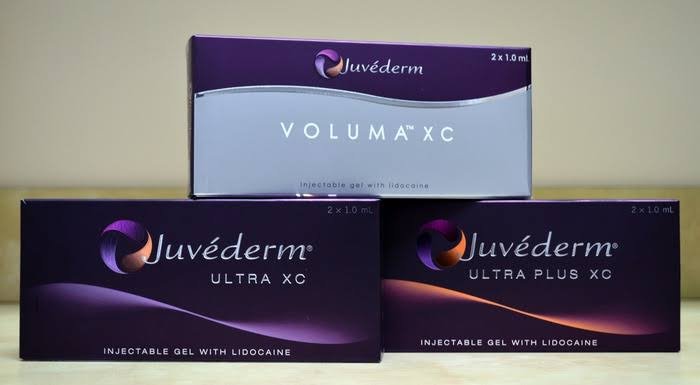
JUVÉDERM vs. Other Dermal Fillers

by maritpharmacy May 29, 2019
written by maritpharmacy

 JUVÉDERM is one of several dermal filler brands available in aesthetic medicine. Other fillers may use hyaluronic acid or different materials, depending on the product.

For example, Restylane products are another major HA filler family, while Radiesse uses calcium hydroxylapatite. Because filler materials and formulations differ, products should not be treated as interchangeable.

The best choice depends on the treatment area, product indication, patient characteristics, practitioner experience, and desired aesthetic objective.

Explore our DermaScience Pro Services page for more information about the aesthetic product categories covered by our website.

Why Choose Reliable JUVÉDERM Information?
Searching for JUVÉDERM filler information online can produce a mixture of professional resources, advertisements, social media content, and personal experiences.

Reliable information should clearly distinguish between:

FDA-approved indications
Manufacturer information
Clinical evidence
Professional recommendations
Personal experiences
Marketing claims
At DermaScience Pro, we encourage readers to review reliable information and discuss individual treatment decisions with qualified healthcare professionals.

Visit our DermaScience Pro Blog for additional educational articles covering dermal fillers, botulinum products, peptides, weight-loss products, and premium supplements.

What Should You Ask Before JUVÉDERM Treatment?
Before undergoing a JUVÉDERM procedure, consider asking the practitioner:

Which JUVÉDERM product is being recommended?
What is the approved purpose of the product?
Why is it appropriate for the intended treatment area?
What are the common and serious risks?
What qualifications and training does the practitioner have?
How will previous filler treatments affect the plan?
What should you expect during recovery?
What should you do if an unusual reaction occurs?
These questions can help create a more informed and realistic treatment discussion.

JUVÉDERM at DermaScience Pro
DermaScience Pro is focused on providing educational information about modern aesthetic and wellness products.

Our website covers five primary areas:

Dermal Fillers
Botulinum Products
Peptides
Weight-Loss Products
Premium Supplements
You can visit our Shop to explore available categories, learn more through our About DermaScience Pro page, or Contact DermaScience Pro if you have questions about the information presented on our website.

When discussing injectable aesthetic products such as JUVÉDERM, our content is intended to support education and product awareness rather than replace an examination or individualized medical consultation.

Frequently Asked Questions About JUVÉDERM
What is JUVÉDERM?
JUVÉDERM is a collection of hyaluronic acid dermal fillers designed for different facial areas and approved aesthetic applications.

Is JUVÉDERM made with hyaluronic acid?
Yes. The JUVÉDERM Collection uses a modified form of hyaluronic acid as its primary filler material.

What areas can JUVÉDERM treat?
Depending on the specific product, approved applications include areas such as the cheeks, chin, jawline, lips, under-eye hollows, temples, and facial wrinkles and folds.

How long can JUVÉDERM results last?
The manufacturer’s general information states that results can last approximately 1–2 years depending on the specific JUVÉDERM product and treatment area. Individual outcomes vary.

Is JUVÉDERM safe?
JUVÉDERM products have specific FDA-approved indications, but dermal filler injections still carry risks and potential side effects. Treatment should be performed by an appropriately licensed and qualified practitioner.

Can anyone receive JUVÉDERM?
No. Certain allergies, medical circumstances, previous reactions, treatment areas, and other factors can affect eligibility. A qualified healthcare professional should determine whether treatment is appropriate.

Final Thoughts on JUVÉDERM
JUVÉDERM represents an established collection of hyaluronic acid dermal fillers designed for different facial applications. Its range of formulations allows qualified practitioners to select products according to specific treatment areas and aesthetic objectives.

However, choosing a dermal filler should never be based on popularity alone. Understanding the specific product, approved indication, potential risks, practitioner qualifications, and individual suitability is essential.

For more educational information about JUVÉDERM, dermal fillers, and other aesthetic products, explore the DermaScience Pro Blog, Shop, and Services sections.

Medical Disclaimer: This article is for educational and informational purposes only. It does not provide medical advice, diagnosis, or treatment recommendations. JUVÉDERM products have specific indications, contraindications, and safety requirements. Always consult an appropriately licensed healthcare professional for individualized advice before undergoing an injectable aesthetic procedure.

May 29, 2019 0 comment
0 FacebookTwitterPinterestEmail
Dermal Filler

RHA: 7 Powerful Facts About This Advanced Dermal Filler

by maritpharmacy May 29, 2019
written by maritpharmacy

  RHA dermal filler and resilient hyaluronic acid information
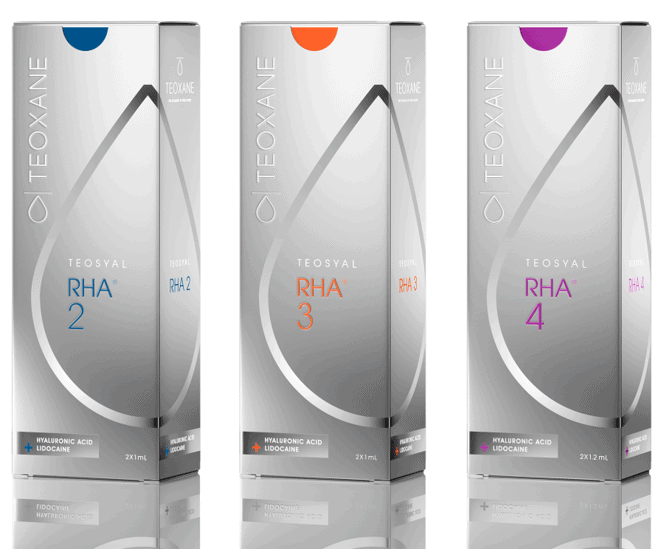
RHA is a collection of hyaluronic acid (HA) dermal fillers designed for different aesthetic applications. The RHA Collection is known for its resilient hyaluronic acid technology and includes several formulations with different characteristics and approved uses.

Dermal fillers have become an important part of modern aesthetic medicine, offering options for addressing certain facial wrinkles, folds, lip fullness, cheek volume, and other aesthetic concerns. However, different fillers are designed for different purposes, so understanding the specific product is essential.

At DermaScience Pro, our goal is to provide clear and responsible information about modern aesthetic products. Our educational content covers dermal fillers, botulinum products, peptides, weight-loss products, and premium supplements.

This guide explores 7 important facts about RHA, including its hyaluronic acid technology, product range, treatment applications, safety considerations, and important questions to ask before treatment.

What Is RHA?
RHA refers to the Resilient Hyaluronic Acid Collection of dermal fillers developed by Teoxane. The collection includes different formulations designed for specific aesthetic applications.

Current U.S. product information identifies RHA Redensity, RHA 2, RHA 3, RHA 4, and RHA Dynamic Volume, with different approved indications depending on the specific product.

The FDA has classified the RHA products as dermal implants for aesthetic use.

Because the RHA Collection contains multiple products, it is important to understand that “RHA filler” does not refer to one identical formulation.

7 Important Facts About RHA
1. RHA Is Based on Hyaluronic Acid
The foundation of the RHA Collection is hyaluronic acid.

Hyaluronic acid is naturally found in the human body and plays an important role in hydration and tissue structure. In aesthetic medicine, HA can be formulated into injectable gels with specific characteristics for different treatment areas.

RHA products use resilient HA technology designed to maintain gel properties while accommodating facial movement. The manufacturer describes the RHA Collection as designed for areas of the face that move during normal facial expression.

This makes RHA an interesting category for people researching modern hyaluronic acid filler technology.

2. The RHA Collection Contains Multiple Products
One of the most important things to understand is that RHA is a collection rather than a single filler.

Current product information lists several formulations, including:

RHA Redensity
RHA 2
RHA 3
RHA 4
RHA Dynamic Volume
There are also formulations containing different local anesthetics, including lidocaine and mepivacaine.

Each product has specific characteristics and indications.

Therefore, when researching RHA, consumers should identify the exact product being discussed rather than assuming every RHA filler has the same purpose.

3. RHA Redensity Is Designed for Perioral Lines
RHA Redensity is one of the specific products within the collection.

According to current FDA information, RHA Redensity is indicated for injection into the dermis and superficial dermis of the face to correct moderate-to-severe dynamic perioral rhytids in adults aged 22 and older.

Perioral rhytids are commonly described as lines around the mouth.

The product’s design is particularly relevant to areas that experience frequent facial movement. The official product information describes RHA Redensity as an injectable HA gel intended for dynamic lines and wrinkles around the mouth.

4. Different RHA Products Have Different Applications
RHA 2, RHA 3, RHA 4, and RHA Dynamic Volume are not interchangeable.

Current manufacturer information describes different injection depths and treatment applications for the products. For example, RHA 2 is indicated for certain moderate-to-severe dynamic facial wrinkles and folds, while RHA 3 also has indications for lip augmentation and fullness. RHA 4 is intended for deeper facial wrinkles and folds, and RHA Dynamic Volume has indications involving midface volume and contour deficiencies.

This demonstrates why professional assessment is essential.

The appropriate product depends on the treatment objective, anatomical area, product indication, facial structure, and individual circumstances.

5. RHA Is Designed With Facial Movement in Mind
Facial expressions involve continuous movement.

People smile, speak, laugh, frown, eat, and make countless other facial movements throughout the day. Aesthetic filler products therefore need physical characteristics appropriate for the area being treated.

The RHA Collection is marketed around resilient hyaluronic acid technology intended to accommodate facial movement.

This does not mean that RHA can guarantee a particular aesthetic outcome. Results depend on numerous factors, including product selection, injection technique, treatment area, amount used, facial anatomy, and individual response.

6. Professional Administration Is Essential
RHA products are injectable dermal fillers and should be administered by an appropriately qualified healthcare professional.

The face contains important blood vessels, nerves, muscles, and other structures. Improper injection or accidental injection into a blood vessel can result in serious complications.

The FDA has warned that accidental injection of dermal filler into a blood vessel can cause complications including tissue damage, vision abnormalities, blindness, or stroke.

For this reason, consumers should carefully consider the qualifications, training, and experience of the professional providing treatment.

A proper consultation should also include a discussion of medical history, allergies, medications, previous aesthetic procedures, treatment expectations, and possible complications.

7. RHA Treatments Have Potential Risks
Like other injectable dermal fillers, RHA products can cause side effects and complications.

Possible treatment-related reactions may include:

Swelling
Bruising
Redness
Pain or tenderness
Firmness
Itching
Inflammation
Changes in skin color
Other localized reactions
The specific safety profile depends on the exact RHA product and treatment.

The official RHA information also lists contraindications involving severe allergies and certain allergies to gram-positive bacterial proteins or amide-type local anesthetics such as lidocaine and mepivacaine.

This is another reason why an appropriate medical consultation should take place before treatment.

What Are RHA Dermal Fillers Used For?
Depending on the specific product and applicable regulatory authorization, RHA fillers may be used for different aesthetic applications.

Current U.S. product information includes indications involving:

Dynamic facial wrinkles
Facial folds
Nasolabial folds
Perioral lines
Lip augmentation and lip fullness
Cheek augmentation
Age-related midface contour deficiencies
The exact indication depends on the individual RHA product.

Consumers should therefore avoid treating all RHA products as though they have identical approved uses.

RHA and Hyaluronic Acid Technology
Hyaluronic acid is widely used in modern dermal filler technology.

However, not every HA filler behaves in exactly the same way. Differences in manufacturing processes, gel structure, cross-linking, elasticity, cohesivity, viscosity, and other characteristics can influence product behavior.

RHA is specifically positioned around resilient HA technology designed for dynamic areas of the face.

Understanding these differences can help consumers have more productive conversations with qualified healthcare professionals.

RHA Compared With Other Dermal Fillers
RHA belongs to the broader family of hyaluronic acid dermal fillers.

Other well-known filler families include products based on hyaluronic acid, calcium hydroxylapatite, and other materials.

Even within the HA category, products can differ significantly.

For example, RHA, Restylane, and other HA filler brands may have different formulations, product characteristics, approved indications, and treatment applications.

Therefore, the best comparison is not simply brand versus brand. Consumers should compare the specific product, intended treatment area, evidence, risks, and regulatory indication.

RHA and Natural-Looking Facial Movement
One reason RHA has attracted attention is its focus on facial movement.

Facial aesthetics involve more than static appearance. Expressions and movement are important parts of how the face looks naturally.

The RHA Collection is designed around resilient HA technology for dynamic facial areas.

However, a natural-looking outcome cannot be guaranteed by a product alone.

The injector’s technique, product selection, treatment planning, amount of filler used, and individual anatomy all contribute to the final appearance.

RHA at DermaScience Pro
At DermaScience Pro, we provide educational information about modern aesthetic and wellness product categories.

Our website focuses on dermal fillers, botulinum products, peptides, weight-loss products, and premium supplements.

If you are researching RHA and other dermal fillers, visit the DermaScience Pro Shop to explore our available product categories.

You can also learn more through DermaScience Pro Services, discover additional educational articles through the DermaScience Pro Blog, or learn more about our company through About DermaScience Pro.

For general website and product questions, visit Contact DermaScience Pro.

What Should You Ask Before an RHA Treatment?
Before receiving an RHA treatment, consider asking your healthcare professional:

Which specific RHA product is being recommended?
What area is being treated?
What is the approved or intended use of that product?
Why is this particular formulation appropriate?
What results are realistically expected?
What temporary reactions may occur?
What serious complications should I understand?
What qualifications and experience does the injector have?
Do my medications or medical history affect treatment?
What aftercare instructions should I follow?
These questions can help you better understand the procedure and establish realistic expectations.

Frequently Asked Questions About RHA
What is RHA?
RHA is a collection of resilient hyaluronic acid dermal fillers designed for different aesthetic applications.

Is RHA a hyaluronic acid filler?
Yes. RHA products are hyaluronic acid-based dermal fillers. Different products within the RHA Collection have different characteristics and approved uses.

What does RHA stand for?
RHA refers to the Resilient Hyaluronic Acid technology used in the RHA Collection.

What is RHA Redensity used for?
RHA Redensity is indicated in the United States for injection into the dermis and superficial dermis of the face to correct moderate-to-severe dynamic perioral rhytids in adults aged 22 or older.

What is RHA 3 used for?
Current U.S. product information indicates that RHA 3 is used for certain moderate-to-severe dynamic facial wrinkles and folds, including nasolabial folds, and for lip augmentation and lip fullness in appropriately indicated adults.

What is RHA Dynamic Volume?
RHA Dynamic Volume is a product within the RHA Collection with indications that include correction of certain facial wrinkles and folds and cheek augmentation or correction of age-related midface contour deficiencies in appropriately indicated adults.

Is RHA safe?
RHA products have specific safety information, contraindications, and potential side effects. As with other injectable dermal fillers, serious complications are possible. Treatment should be performed by an appropriately qualified healthcare professional.

How long does RHA last?
Duration varies according to the specific RHA product, treatment area, individual characteristics, treatment technique, and other factors. The manufacturer reports clinical results lasting up to 12 months for certain RHA applications, but results vary between individuals.

Final Thoughts on RHA
RHA represents an important development in the world of hyaluronic acid dermal fillers.

The RHA Collection includes multiple formulations designed for different aesthetic applications, including certain facial wrinkles, perioral lines, lip fullness, cheek augmentation, and midface contour deficiencies.

Its focus on resilient hyaluronic acid technology makes RHA an interesting option within the broader dermal filler category. However, the specific product matters. RHA Redensity, RHA 2, RHA 3, RHA 4, and RHA Dynamic Volume have different characteristics and indications.

At DermaScience Pro, we believe better aesthetic decisions begin with better information. Understanding the product, intended use, potential benefits, possible risks, and qualifications of the provider can help consumers approach aesthetic treatments more responsibly.

Explore the DermaScience Pro Blog for additional information about dermal fillers, botulinum products, peptides, weight-loss products, and premium supplements.

Important: This article is provided for general educational and informational purposes only. It is not medical advice and does not diagnose, treat, prevent, or cure any disease or medical condition. Injectable dermal filler procedures carry risks. Always consult an appropriately qualified healthcare professional and review the current official product information applicable to your location before treatment.

May 29, 2019 0 comment
0 FacebookTwitterPinterestEmail
Dermal Filler

Belotero: 7 Powerful Facts About This Dermal Filler

by maritpharmacy May 29, 2019
written by maritpharmacy

  Belotero dermal filler and hyaluronic acid treatment information
Belotero is a well-known portfolio of hyaluronic acid (HA) dermal fillers designed for different aesthetic applications. The Belotero range includes formulations with different characteristics and intended uses, allowing qualified healthcare professionals to select a product based on the treatment area and the patient’s individual goals.

Hyaluronic acid is a naturally occurring substance found in the body and is important for tissue hydration and structure. In aesthetic medicine, HA can be formulated into injectable gels designed to restore or enhance volume and soften the appearance of certain facial lines and wrinkles.

At DermaScience Pro, we believe that understanding aesthetic products is an important part of making informed decisions. Our educational content covers dermal fillers, botulinum products, peptides, weight-loss products, and premium supplements.

This guide explores 7 important facts about Belotero, including its hyaluronic acid formulation, product range, potential aesthetic applications, treatment considerations, safety information, and questions to ask before treatment.

What Is Belotero?
Belotero is a portfolio of hyaluronic acid dermal fillers developed for different aesthetic applications.

According to the manufacturer’s current information, the Belotero portfolio uses biomimetic science and different gel properties to address areas such as fine lines, wrinkles, facial volume, and contour.

Rather than being one single filler, Belotero includes multiple formulations designed for different treatment goals.

This distinction is important because a product intended for one area of the face may have different characteristics from another product within the same portfolio.

A qualified healthcare professional should determine which product, if any, is appropriate for a particular treatment.

7 Important Facts About Belotero
1. Belotero Is a Hyaluronic Acid Dermal Filler
The first important fact about Belotero is that its products are based on hyaluronic acid.

Hyaluronic acid occurs naturally in the body and has an important role in hydration and tissue structure. In dermal filler technology, HA is processed into injectable gels with properties designed for aesthetic applications.

Different HA fillers can have different levels of cohesivity, elasticity, viscosity, and other physical characteristics.

Belotero’s manufacturer describes its formulations as being designed to integrate with skin tissue while maintaining natural facial movement and appearance.

2. Belotero Is a Product Portfolio
Belotero should not be thought of as one identical filler.

The portfolio contains different products designed for different aesthetic goals. For example, current official product information describes Belotero Balance (+) for specific lines, wrinkles, and under-eye applications, while Belotero Volume (+) is designed for restoring volume in the midface and addressing midface contour deficiencies.

Other Belotero formulations may be available in different markets for other applications.

Because product availability and approved indications can vary by country, consumers should always review the current product information applicable to their location.

3. Belotero Balance Has Specific Aesthetic Applications
Belotero Balance (+) is one of the best-known products in the Belotero range.

According to current manufacturer information, Belotero Balance (+) is a hyaluronic acid dermal filler used for smoothing moderate-to-severe facial wrinkles and folds, including nasolabial folds. It is also indicated in the United States for adding volume beneath the eyes to improve the appearance of infraorbital hollows in appropriate adult patients.

The product is also described for certain highly mobile facial areas, where a softer and more cohesive gel can be useful.

The specific indications and age requirements depend on the product and regulatory market, so treatment decisions should always rely on current local labeling.

4. Belotero Volume Is Designed for Facial Volume
Another product in the portfolio is Belotero Volume (+).

Current official information describes Belotero Volume (+) as a hyaluronic acid dermal filler used to restore volume in the midface and correct midface contour deficiencies, including adding fullness to the cheeks, for appropriately indicated adult patients.

This demonstrates why choosing a dermal filler involves more than choosing a brand.

The particular formulation, treatment area, desired outcome, facial anatomy, and professional assessment all matter.

A qualified injector can determine whether a particular Belotero product is appropriate for the individual’s goals.

5. Belotero Is Designed Around Different Gel Properties
Dermal fillers are not all physically identical.

Belotero’s manufacturer describes properties such as cohesivity, elasticity, plasticity, and viscosity as important characteristics of its formulations. These properties can influence how a filler integrates with tissue and behaves in areas that move during facial expression.

For example, Belotero Balance (+) is described by the manufacturer as having high cohesion, low viscosity, and low elasticity compared with other HA fillers.

Understanding these technical properties can help explain why different fillers may be selected for different facial areas.

6. Professional Administration Is Extremely Important
Belotero is an injectable dermal filler and should be treated as a medical procedure rather than an ordinary skincare product.

The face contains complex blood vessels, nerves, muscles, and other anatomical structures. Incorrect injection technique or accidental injection into a blood vessel can result in serious complications.

The FDA warns that accidental injection of dermal filler into a blood vessel can cause complications including tissue damage, vision abnormalities, blindness, or stroke.

For this reason, anyone considering Belotero should seek treatment from an appropriately qualified and experienced healthcare professional.

7. Belotero Treatment Has Potential Risks and Side Effects
Like other injectable dermal fillers, Belotero treatments can cause temporary reactions.

Manufacturer information identifies reactions such as swelling, bruising, redness, pain, hardening of the skin, altered skin color, and itching among reported side effects for Belotero Balance (+).

More serious complications can also occur, although some are uncommon.

Consumers should discuss potential risks, benefits, contraindications, treatment expectations, and aftercare with their healthcare professional before receiving treatment.

If unusual or severe symptoms occur following an injection, prompt medical attention should be sought.

What Can Belotero Be Used For?
Depending on the specific product and its regulatory authorization, Belotero products may be used for aesthetic applications involving areas such as:

Nasolabial folds
Perioral lines
Lips
Under-eye hollows
Cheeks
Midface volume
Facial contour
Certain wrinkles and facial folds
The manufacturer’s current product portfolio identifies different Belotero products for different treatment goals.

This is why it is important to identify the specific Belotero product being considered rather than referring simply to “Belotero filler.”

Belotero and Natural-Looking Results
One of the themes associated with Belotero is natural-looking integration.

The manufacturer describes Belotero’s formulations as designed to integrate into the skin while supporting facial movement and expression.

However, no filler can guarantee a particular aesthetic result.

The final appearance can depend on factors such as facial anatomy, product selection, injection technique, treatment amount, skin characteristics, and individual healing.

A conservative and individualized approach can help create realistic expectations.

Belotero Compared With Other Dermal Fillers
Belotero belongs to the broader category of hyaluronic acid dermal fillers.

Other brands may also use HA, while different fillers may use materials such as calcium hydroxylapatite or other substances.

Even among HA fillers, formulations can differ significantly.

Factors such as gel structure, concentration, cross-linking technology, cohesivity, elasticity, viscosity, intended treatment area, and regulatory approval can influence how a product is selected.

Therefore, consumers should compare specific products rather than assuming that every HA filler performs identically.

Belotero at DermaScience Pro
At DermaScience Pro, we provide educational information about modern aesthetic and wellness product categories.

Our website focuses on dermal fillers, botulinum products, peptides, weight-loss products, and premium supplements.

If you are researching Belotero and other aesthetic products, visit the DermaScience Pro Shop to explore our available product categories.

You can also learn more about our approach through DermaScience Pro Services, discover additional educational articles through the DermaScience Pro Blog, or learn more about our company through About DermaScience Pro.

For general website and product questions, visit Contact DermaScience Pro.

What Should You Ask Before a Belotero Treatment?
Before receiving a Belotero treatment, consider discussing these questions with your healthcare professional:

Which specific Belotero product is being recommended?
What treatment area is being considered?
Why is this particular product appropriate?
What results are realistically expected?
How long might the results last?
What common side effects should I expect?
What serious complications should I understand?
What qualifications and experience does the injector have?
Are there medical conditions or medications that could affect treatment?
What aftercare instructions should I follow?
Clear communication can help establish realistic expectations and support a more informed treatment decision.

Frequently Asked Questions About Belotero
What is Belotero?
Belotero is a portfolio of hyaluronic acid dermal filler products designed for different aesthetic applications.

Is Belotero a hyaluronic acid filler?
Yes. Belotero products are based on hyaluronic acid formulations. Different products within the portfolio have different characteristics and intended applications.

What is Belotero Balance?
Belotero Balance (+) is a hyaluronic acid dermal filler used for specific facial wrinkles and folds and, in the United States, for certain under-eye applications in appropriately indicated adults.

What is Belotero Volume?
Belotero Volume (+) is a hyaluronic acid dermal filler used for specific midface volume and contour applications in appropriately indicated adults.

How long does Belotero last?
Duration depends on the specific Belotero product, treatment area, individual characteristics, and other factors. Current manufacturer information reports that some Belotero products can provide results for up to 18 months, but individual results vary.

Is Belotero safe?
Belotero treatments have potential side effects and complications, as do other injectable dermal fillers. Common reactions can include swelling, bruising, redness, pain, itching, and other localized effects. Serious complications are possible and should be discussed with a qualified healthcare professional.

Can Belotero be used on the lips?
Certain Belotero products are used for lip-related aesthetic applications depending on the product and regulatory market. Current manufacturer information describes Belotero Intense and Belotero Balance for different lip-related goals.

Final Thoughts on Belotero
Belotero is an established portfolio of hyaluronic acid dermal fillers designed for different aesthetic applications.

Its range includes products with different physical characteristics and intended uses, making it important to understand the specific formulation rather than treating every Belotero product as identical.

Whether someone is researching facial lines, lips, under-eye hollows, cheeks, midface volume, or other aesthetic concerns, professional assessment remains an essential part of responsible filler treatment.

At DermaScience Pro, we believe better aesthetic decisions begin with better information. Our goal is to provide clear educational resources about modern dermal fillers, botulinum products, peptides, weight-loss products, and premium supplements.

Explore the DermaScience Pro Blog for more educational information about aesthetic and wellness products.

Important: This article is provided for general educational and informational purposes only. It is not medical advice and does not diagnose, treat, prevent, or cure any disease or medical condition. Dermal filler procedures carry risks. Always consult an appropriately qualified healthcare professional and review the current official product information applicable to your location before treatment.

May 29, 2019 0 comment
0 FacebookTwitterPinterestEmail
Dermal Filler

Restylane: 7 Powerful Facts About This Dermal Filler

by maritpharmacy May 29, 2019
written by maritpharmacy

Restylane is a well-known family of hyaluronic acid dermal filler products used in aesthetic medicine. Over the years, Restylane has become an important name in the field of facial aesthetics, with different formulations designed for different cosmetic applications.

Hyaluronic acid is naturally present in the human body and has an important role in maintaining hydration within tissues. In dermal filler products, stabilized hyaluronic acid is formulated for specific aesthetic applications.

At DermaScience Pro, we believe that understanding aesthetic products starts with reliable information. Whether you are researching dermal fillers, botulinum products, peptides, weight-loss products, or premium supplements, it is important to understand what a product is designed to do, how it is used, and what safety considerations apply.

This guide explores 7 important facts about Restylane, including its ingredients, product family, common aesthetic applications, potential benefits, safety considerations, and questions to consider before treatment.

What Is Restylane?
Restylane is a brand of injectable dermal fillers based primarily on hyaluronic acid. The Restylane portfolio includes different products and formulations designed for specific aesthetic purposes.

Dermal fillers work by adding volume beneath the skin. Depending on the specific product and treatment area, fillers may be used to enhance facial contours, restore volume, soften the appearance of certain facial folds, or add fullness to areas such as the lips.

Because different Restylane products have different characteristics and approved uses, it is important not to treat the entire Restylane family as one identical product.

The appropriate product depends on factors such as the treatment area, desired aesthetic outcome, anatomy, medical history, and professional assessment.

7 Important Facts About Restylane
1. Restylane Uses Hyaluronic Acid
One of the defining characteristics of Restylane is its use of hyaluronic acid.

Hyaluronic acid is a naturally occurring substance found throughout the body. It helps retain water and contributes to the structure and hydration of various tissues.

In dermal filler formulations, hyaluronic acid is processed and stabilized to create products with characteristics appropriate for injection.

The exact properties of a filler—including its consistency, gel structure, and intended application—can differ between formulations.

This is why choosing a filler should involve more than simply selecting a brand. The specific product and its intended indication matter.

2. Restylane Includes Multiple Products
Another important fact is that Restylane is a product family rather than one single filler.

Different Restylane products have been developed for different aesthetic applications. Depending on the market and regulatory authorization, products within the portfolio may be intended for areas such as the lips, cheeks, facial folds, or other facial features.

Because product availability and approved indications can change by country, consumers should always check current official product information and local regulatory requirements.

A qualified healthcare professional can also help determine whether a particular filler is appropriate for an individual’s goals and anatomy.

3. Restylane Can Be Used for Facial Volume
Dermal fillers are commonly used to address changes in facial volume and contour.

As people age, natural changes in skin structure, fat distribution, collagen, and other tissues can affect facial appearance. Some people seek dermal fillers to restore volume or enhance particular facial features.

Depending on the specific Restylane formulation and its approved indication, treatments may focus on areas such as the cheeks, lips, or facial folds.

The goal should always be individualized. A professional assessment can help determine whether filler is appropriate and what type of treatment may provide a balanced result.

4. Restylane Treatments Can Produce Temporary Results
Dermal filler results are generally not permanent.

The duration of an aesthetic result can vary depending on the specific product, treatment location, amount used, individual metabolism, injection technique, and other factors.

This means that consumers should not assume that one Restylane treatment will provide the same duration for everyone.

During a consultation, a qualified injector can explain what is reasonably expected for the particular product and treatment area.

It is also important to understand that aesthetic results can develop over time rather than looking exactly the same immediately after an injection.

5. Professional Administration Matters
Injectable dermal fillers should be treated as medical procedures, not ordinary skincare products.

The face contains important blood vessels, nerves, muscles, and other anatomical structures. Incorrect injection technique can result in complications.

The FDA warns that accidental injection of dermal filler into a blood vessel can cause serious complications, including tissue damage, vision abnormalities, blindness, or stroke.

For this reason, individuals considering Restylane should seek treatment from an appropriately qualified and experienced healthcare professional.

Professional assessment is especially important when determining injection location, product selection, treatment volume, and whether filler is appropriate in the first place.

6. Restylane Has Important Safety Considerations
Like other injectable dermal fillers, Restylane can have side effects and potential complications.

Common reactions following dermal filler injections can include temporary swelling, redness, pain, tenderness, bruising, itching, or other localized reactions.

More serious complications can occur, although they may be less common. These include infection, nodules, allergic reactions, tissue injury, and accidental injection into a blood vessel.

The FDA recommends understanding the risks and benefits of dermal fillers and discussing the procedure with a licensed healthcare provider.

Anyone experiencing unusual or severe symptoms after a filler procedure should seek prompt medical attention.

7. Choosing the Right Filler Requires Individual Assessment
There is no universal dermal filler that is ideal for every person or every facial area.

Restylane products have different characteristics and approved applications. The right choice depends on the treatment objective, anatomical considerations, product characteristics, and professional evaluation.

A good consultation should cover the individual’s goals, relevant medical history, previous cosmetic procedures, allergies, medications, and expectations.

Rather than focusing exclusively on brand names, consumers should understand the specific product being proposed and why it has been selected.

What Are Restylane Dermal Fillers Used For?
Depending on the specific Restylane product and its approved indication, hyaluronic acid fillers may be used for aesthetic applications involving areas such as:

Lips
Cheeks
Facial folds
Facial contour
Areas affected by volume loss
Other specifically authorized facial applications
The exact approved uses differ between products and jurisdictions.

For this reason, always review the official product information applicable to your location and consult an appropriately qualified healthcare professional.

Restylane and Hyaluronic Acid
Hyaluronic acid is one of the most widely recognized materials used in modern dermal filler technology.

Its ability to interact with water contributes to the properties that make hyaluronic acid useful in aesthetic formulations.

However, not every hyaluronic acid filler behaves identically. Manufacturing technology, cross-linking, gel properties, concentration, and formulation can influence how a particular product performs.

This is why comparing individual products is more useful than assuming every hyaluronic acid filler is interchangeable.

Restylane Compared With Other Dermal Fillers
Restylane is one of several dermal filler brands available in aesthetic medicine.

Other filler products may use hyaluronic acid or different materials. Some fillers are designed for relatively superficial applications, while others may be formulated for deeper structural support.

Product selection should therefore be based on the specific treatment objective rather than popularity alone.

At DermaScience Pro, our goal is to provide organized product information so visitors can learn about different aesthetic categories before discussing options with qualified professionals.

Restylane at DermaScience Pro
At DermaScience Pro, we feature educational information covering modern aesthetic and wellness categories.

Our platform includes information related to dermal fillers, botulinum products, peptides, weight-loss products, and premium supplements.

If you are researching dermal fillers, explore the [DermaScience Pro Shop] to review our available product categories. You can also learn more about our approach through [DermaScience Pro Services].

For additional educational content, visit the [DermaScience Pro Blog], where we cover aesthetic products, peptide science, wellness topics, and emerging developments.

You can also learn more about our company through [About DermaScience Pro] or use [Contact DermaScience Pro] for general questions about our website and product information.

What Should You Ask Before a Restylane Treatment?
A consultation is an important opportunity to ask questions before receiving a dermal filler treatment.

Consider asking:

Which specific Restylane product is being recommended?
What is the intended treatment area?
Why is this product appropriate for that area?
What results are realistically expected?
What temporary side effects can occur?
What serious complications should I understand?
What qualifications and experience does the injector have?
What should I do if I experience an unexpected reaction?
Are there medical conditions or medications that could affect treatment?
What aftercare instructions should I follow?
Clear answers can help you make a more informed decision.

Frequently Asked Questions About Restylane
What is Restylane?
Restylane is a family of injectable dermal filler products primarily based on hyaluronic acid. Different products within the portfolio are designed for specific aesthetic applications.

Is Restylane a dermal filler?
Yes. Restylane products are injectable dermal fillers used for various aesthetic applications depending on the specific formulation and regulatory authorization.

What is Restylane made from?
Restylane products primarily use hyaluronic acid-based formulations. Specific formulations can differ, so consumers should review the official product information for the exact product being considered.

How long does Restylane last?
The duration of results varies according to the specific product, treatment area, amount injected, individual factors, and other considerations. A qualified healthcare professional can provide more specific information during consultation.

Is Restylane safe?
Restylane, like other injectable dermal fillers, has potential benefits and risks. Temporary reactions such as swelling, redness, bruising, tenderness, and discomfort can occur. Rare but serious complications are also possible.

Can Restylane be used on the lips?
Certain Restylane products have been specifically developed and authorized for lip-related aesthetic applications in some markets. The exact indication depends on the product and country.

Can anyone administer Restylane?
Dermal filler injections should be performed by an appropriately qualified healthcare professional with relevant training and experience. Regulatory requirements vary by location.

Final Thoughts on Restylane
Restylane has become an established name in the world of hyaluronic acid dermal fillers, with a portfolio of products designed for different aesthetic applications.

Its popularity reflects the continuing development of injectable aesthetic medicine and growing interest in non-surgical approaches to facial volume and contour.

However, choosing a dermal filler should never be based on brand recognition alone. Understanding the specific product, approved use, potential benefits, possible complications, and qualifications of the provider is essential.

At DermaScience Pro, we believe better aesthetic decisions begin with better information. Our goal is to make product categories easier to understand while encouraging responsible conversations with qualified healthcare professionals.

Explore the DermaScience Pro Blog for more educational articles about dermal fillers, botulinum products, peptides, weight-loss products, and premium supplements.

Important: This article is provided for general educational and informational purposes only. It is not medical advice and does not recommend or guarantee any specific treatment or outcome. Dermal fillers are medical products/procedures that carry risks. Always consult an appropriately qualified healthcare professional and review current official product information before treatment.

May 29, 2019 0 comment
0 FacebookTwitterPinterestEmail
Dermal Filler

Radiesse: 7 Powerful Facts About This Dermal Filler

by maritpharmacy May 29, 2019
written by maritpharmacy

  Radiesse dermal filler and calcium hydroxylapatite information
Radiesse is an injectable dermal filler that has become well known in aesthetic medicine for its distinctive calcium hydroxylapatite-based formulation. Unlike hyaluronic acid fillers, Radiesse uses calcium hydroxylapatite (CaHA) microspheres suspended in a gel carrier.

This unique composition has made Radiesse an interesting option for aesthetic professionals and people researching facial volume, contouring, and skin-quality treatments.

Radiesse has been used for specific aesthetic indications, and its properties differ from those of other dermal filler materials. Understanding these differences is important before considering any injectable aesthetic procedure.

At DermaScience Pro, our goal is to provide clear, responsible information about aesthetic and wellness products. Our educational resources cover dermal fillers, botulinum products, peptides, weight-loss products, and premium supplements.

This guide explores 7 important facts about Radiesse, including what it is, how it differs from other fillers, its composition, potential applications, safety considerations, and important questions to ask before treatment.

What Is Radiesse?
Radiesse is an injectable dermal filler containing calcium hydroxylapatite (CaHA) microspheres in a water-based gel carrier.

Calcium hydroxylapatite is a mineral-like material that is also naturally found in the human body, particularly in bones and teeth.

In Radiesse, the CaHA microspheres are formulated into an injectable gel designed for specific aesthetic and medical applications.

The product’s composition gives it characteristics that differ from hyaluronic acid-based dermal fillers such as Restylane and other filler brands.

Because different dermal fillers have different compositions and indications, product selection should always be based on the specific treatment objective and professional assessment.

7 Important Facts About Radiesse
1. Radiesse Uses Calcium Hydroxylapatite
The most important feature of Radiesse is its active filler material: calcium hydroxylapatite.

CaHA has a long history of use in medicine and is chemically similar to minerals naturally found in the human body.

Within Radiesse, the CaHA microspheres are suspended in a gel carrier. After injection, the product provides immediate volumizing effects while the gel component is gradually processed by the body.

The properties of CaHA make Radiesse different from hyaluronic acid fillers and other injectable materials.

Understanding the underlying material can help consumers better understand why different fillers may be selected for different aesthetic applications.

2. Radiesse Can Provide Volume and Contour
Radiesse has been used for specific facial aesthetic applications involving volume and contour.

Depending on the product and its approved indication, it may be used to improve the appearance of areas affected by volume loss or to enhance certain facial contours.

The precise indications can vary by country and product formulation, so consumers should always review the current official labeling applicable to their location.

A qualified healthcare professional can determine whether a particular product is appropriate for the desired treatment area.

3. Radiesse Is Different From Hyaluronic Acid Fillers
Not all dermal fillers work in exactly the same way.

Hyaluronic acid fillers are based on hyaluronic acid, a naturally occurring substance that has a strong association with water retention.

Radiesse, by contrast, uses calcium hydroxylapatite microspheres in a gel carrier.

This difference affects the physical characteristics of the products, how they are selected, and how they may be used.

For someone researching dermal fillers, comparing the material, intended application, expected duration, potential risks, and professional recommendations is more useful than assuming all fillers are interchangeable.

4. Radiesse Has Also Been Studied for Skin Quality
In addition to its volumizing properties, calcium hydroxylapatite has attracted interest in research concerning skin quality.

Radiesse may be used in certain formulations or techniques intended to improve the appearance of skin through collagen-related processes. Some professional applications involve dilution or different formulation approaches, depending on the intended use.

However, consumers should distinguish between established product indications and emerging techniques.

A particular technique may be discussed in aesthetic medicine without having the same regulatory status as an officially approved indication.

For this reason, treatment decisions should be based on the specific product, technique, provider expertise, and local regulatory requirements.

5. Treatment Requires Professional Expertise
Radiesse is an injectable medical product and should not be treated like an ordinary skincare product.

The face contains complex networks of blood vessels, nerves, muscles, and other anatomical structures. Injection into or around these structures requires appropriate anatomical knowledge and technical training.

The FDA warns that accidental injection of dermal filler into a blood vessel can result in serious complications, including tissue damage, vision abnormalities, blindness, and stroke.

Choosing an appropriately qualified and experienced healthcare professional is therefore an important part of responsible filler treatment.

6. Radiesse Has Potential Side Effects and Risks
As with other injectable dermal fillers, Radiesse can cause temporary reactions.

Common reactions can include:

Redness
Swelling
Bruising
Tenderness
Pain or discomfort
Itching
Firmness around the treatment area
More serious complications are possible, although some are uncommon.

These can include infection, nodules, allergic reactions, tissue damage, and vascular complications.

Anyone considering Radiesse should discuss potential risks and benefits with a qualified healthcare professional before treatment.

The FDA recommends that consumers understand the potential risks associated with dermal fillers and receive treatment from an appropriately licensed healthcare provider.

7. Individual Assessment Is Essential
There is no single dermal filler that is appropriate for every person or every facial area.

Radiesse has specific characteristics that may make it appropriate for certain applications, while another filler may be more suitable for a different goal.

A professional consultation should consider factors such as:

Treatment area
Facial anatomy
Desired aesthetic result
Previous cosmetic procedures
Medical history
Allergies
Medications
Skin condition
Product indication
Potential risks
A personalized assessment can help establish realistic expectations and determine whether an injectable filler is appropriate.

What Is Calcium Hydroxylapatite?
Calcium hydroxylapatite, commonly abbreviated as CaHA, is a calcium-based material that resembles the mineral component naturally found in human bones.

Its medical use extends beyond aesthetic medicine. In dermal filler technology, CaHA is formulated into injectable products with characteristics suitable for specific applications.

The calcium hydroxylapatite microspheres in Radiesse are suspended within a gel carrier.

This formulation allows the product to provide an immediate volumizing effect while also being investigated and used in applications involving longer-term changes in tissue appearance.

Radiesse and Facial Contouring
Facial contouring is one of the reasons people research Radiesse.

Changes in facial volume can occur naturally over time. Some people seek aesthetic treatments to address areas of volume loss or to create a more defined appearance.

The suitability of Radiesse depends on the specific anatomical area and the professional’s assessment.

A conservative approach is often important in aesthetic medicine because the objective should be a balanced result that fits the individual’s facial structure and goals.

Radiesse Compared With Other Dermal Fillers
Radiesse belongs to a broader category of injectable aesthetic products.

Some dermal fillers are based on hyaluronic acid, while others use different materials such as calcium hydroxylapatite or other biocompatible substances.

The choice between products can depend on the intended treatment area, desired effect, product characteristics, previous treatments, and provider experience.

Rather than selecting a filler based solely on brand popularity, consumers should understand the specific product and why it has been recommended.

Radiesse at DermaScience Pro
At DermaScience Pro, we provide educational information about modern aesthetic and wellness product categories.

Our platform covers dermal fillers, botulinum products, peptides, weight-loss products, and premium supplements.

If you are researching Radiesse and other dermal filler products, visit the [DermaScience Pro Shop] to explore our available product categories.

You can also learn about our approach through [DermaScience Pro Services], discover more educational content on the [DermaScience Pro Blog], or learn more about our company through [About DermaScience Pro].

For general questions about our website and product information, visit [Contact DermaScience Pro].

What Should You Ask Before a Radiesse Treatment?
Before undergoing a Radiesse procedure, consider discussing the following questions with your healthcare professional:

Is Radiesse appropriate for my treatment goals?
Which specific Radiesse product is being considered?
What area will be treated?
What results are realistically expected?
How long might the results last?
What common side effects should I expect?
What serious complications are possible?
What qualifications and experience does the injector have?
What should I do if I experience an unexpected reaction?
What aftercare instructions should I follow?
Having an open conversation can help you understand the procedure and establish realistic expectations.

Frequently Asked Questions About Radiesse
What is Radiesse?
Radiesse is an injectable dermal filler containing calcium hydroxylapatite microspheres suspended in a gel carrier. It is used for specific aesthetic and medical applications depending on the product and regulatory authorization.

What is Radiesse made from?
Radiesse uses calcium hydroxylapatite, commonly abbreviated as CaHA, as its primary filler material.

Is Radiesse a hyaluronic acid filler?
No. Radiesse is primarily a calcium hydroxylapatite-based dermal filler, whereas products such as many Restylane formulations use hyaluronic acid.

What is Radiesse used for?
Depending on the specific product and regulatory authorization, Radiesse may be used for particular facial volume and contouring applications. Certain formulations and techniques may also be used for skin-quality applications.

How long does Radiesse last?
The duration of results can vary between individuals and depends on factors such as the treatment area, product, amount used, injection technique, metabolism, and other considerations. A qualified healthcare professional can provide product-specific information.

Is Radiesse safe?
Radiesse has known risks and potential side effects, as do other injectable dermal fillers. Temporary reactions such as swelling, redness, bruising, tenderness, and discomfort may occur. Rare but serious complications are also possible.

Can Radiesse be injected anywhere on the face?
No. Dermal fillers have specific product indications, and different anatomical areas carry different considerations. Treatment should be planned and performed by an appropriately qualified healthcare professional.

Final Thoughts on Radiesse
Radiesse is a distinctive dermal filler because it uses calcium hydroxylapatite rather than hyaluronic acid as its primary filler material.

Its unique formulation has made it an important product in aesthetic medicine, particularly for selected applications involving facial volume and contouring.

However, choosing Radiesse—or any other dermal filler—requires careful consideration. Product composition, approved indications, treatment area, professional experience, individual anatomy, potential benefits, and possible risks should all be discussed before treatment.

At DermaScience Pro, we believe that better aesthetic decisions begin with clear and responsible information. Our goal is to help readers understand modern aesthetic products while encouraging consultation with appropriately qualified healthcare professionals.

Explore the DermaScience Pro Blog for more educational information about dermal fillers, botulinum products, peptides, weight-loss products, and premium supplements.

Important: This article is provided for general educational and informational purposes only. It is not medical advice and does not diagnose, treat, prevent, or cure any disease or medical condition. Dermal filler procedures carry risks. Always consult an appropriately qualified healthcare professional and review current official product information before treatment.

May 29, 2019 0 comment
0 FacebookTwitterPinterestEmail
Newer Posts
Older Posts

Keep in touch

Facebook Twitter Instagram Pinterest Youtube Bloglovin

Recent Posts

  • BOTOX: 7 Powerful Facts About This Botulinum Treatment

  • Dysport: 7 Powerful Facts About This Botulinum Treatment

  • JEUVEAU: 7 Powerful Facts About This Botulinum Treatment

  • Aqualyx: 7 Powerful Facts About This Fat-Dissolving Treatment

  • Lemond Bottle: 7 Important Facts to Know Before You Buy

  • JUVÉDERM vs. Other Dermal Fillers

Newsletter

Categories

  • Botulinum (3)
  • Dermal Filler (5)
  • Peptides (2)
  • Weight Loss (2)
  • Facebook
  • Twitter
  • Instagram
  • Pinterest
  • Youtube
  • Bloglovin

@2019 - All Right Reserved. Designed and Developed by https://dermasciencepro.online

dermasciencepro.online
  • Soledad_Home
  • shop
  • Dermal Fillers
  • Botulinum
  • Peptide
  • Weight Loss
dermasciencepro.online
  • Cosmetics
  • Contact Us
  • Services
  • About Us
  • Our Blog
  • Cart

Shopping Cart

Close

No products in the cart.

Close