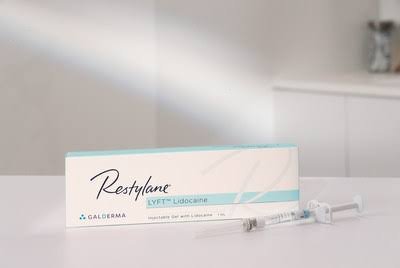
Restylane is a well-known family of hyaluronic acid dermal filler products used in aesthetic medicine. Over the years, Restylane has become an important name in the field of facial aesthetics, with different formulations designed for different cosmetic applications.
Hyaluronic acid is naturally present in the human body and has an important role in maintaining hydration within tissues. In dermal filler products, stabilized hyaluronic acid is formulated for specific aesthetic applications.
At DermaScience Pro, we believe that understanding aesthetic products starts with reliable information. Whether you are researching dermal fillers, botulinum products, peptides, weight-loss products, or premium supplements, it is important to understand what a product is designed to do, how it is used, and what safety considerations apply.
This guide explores 7 important facts about Restylane, including its ingredients, product family, common aesthetic applications, potential benefits, safety considerations, and questions to consider before treatment.
What Is Restylane?
Restylane is a brand of injectable dermal fillers based primarily on hyaluronic acid. The Restylane portfolio includes different products and formulations designed for specific aesthetic purposes.
Dermal fillers work by adding volume beneath the skin. Depending on the specific product and treatment area, fillers may be used to enhance facial contours, restore volume, soften the appearance of certain facial folds, or add fullness to areas such as the lips.
Because different Restylane products have different characteristics and approved uses, it is important not to treat the entire Restylane family as one identical product.
The appropriate product depends on factors such as the treatment area, desired aesthetic outcome, anatomy, medical history, and professional assessment.
7 Important Facts About Restylane
1. Restylane Uses Hyaluronic Acid
One of the defining characteristics of Restylane is its use of hyaluronic acid.
Hyaluronic acid is a naturally occurring substance found throughout the body. It helps retain water and contributes to the structure and hydration of various tissues.
In dermal filler formulations, hyaluronic acid is processed and stabilized to create products with characteristics appropriate for injection.
The exact properties of a filler—including its consistency, gel structure, and intended application—can differ between formulations.
This is why choosing a filler should involve more than simply selecting a brand. The specific product and its intended indication matter.
2. Restylane Includes Multiple Products
Another important fact is that Restylane is a product family rather than one single filler.
Different Restylane products have been developed for different aesthetic applications. Depending on the market and regulatory authorization, products within the portfolio may be intended for areas such as the lips, cheeks, facial folds, or other facial features.
Because product availability and approved indications can change by country, consumers should always check current official product information and local regulatory requirements.
A qualified healthcare professional can also help determine whether a particular filler is appropriate for an individual’s goals and anatomy.
3. Restylane Can Be Used for Facial Volume
Dermal fillers are commonly used to address changes in facial volume and contour.
As people age, natural changes in skin structure, fat distribution, collagen, and other tissues can affect facial appearance. Some people seek dermal fillers to restore volume or enhance particular facial features.
Depending on the specific Restylane formulation and its approved indication, treatments may focus on areas such as the cheeks, lips, or facial folds.
The goal should always be individualized. A professional assessment can help determine whether filler is appropriate and what type of treatment may provide a balanced result.
4. Restylane Treatments Can Produce Temporary Results
Dermal filler results are generally not permanent.
The duration of an aesthetic result can vary depending on the specific product, treatment location, amount used, individual metabolism, injection technique, and other factors.
This means that consumers should not assume that one Restylane treatment will provide the same duration for everyone.
During a consultation, a qualified injector can explain what is reasonably expected for the particular product and treatment area.
It is also important to understand that aesthetic results can develop over time rather than looking exactly the same immediately after an injection.
5. Professional Administration Matters
Injectable dermal fillers should be treated as medical procedures, not ordinary skincare products.
The face contains important blood vessels, nerves, muscles, and other anatomical structures. Incorrect injection technique can result in complications.
The FDA warns that accidental injection of dermal filler into a blood vessel can cause serious complications, including tissue damage, vision abnormalities, blindness, or stroke.
For this reason, individuals considering Restylane should seek treatment from an appropriately qualified and experienced healthcare professional.
Professional assessment is especially important when determining injection location, product selection, treatment volume, and whether filler is appropriate in the first place.
6. Restylane Has Important Safety Considerations
Like other injectable dermal fillers, Restylane can have side effects and potential complications.
Common reactions following dermal filler injections can include temporary swelling, redness, pain, tenderness, bruising, itching, or other localized reactions.
More serious complications can occur, although they may be less common. These include infection, nodules, allergic reactions, tissue injury, and accidental injection into a blood vessel.
The FDA recommends understanding the risks and benefits of dermal fillers and discussing the procedure with a licensed healthcare provider.
Anyone experiencing unusual or severe symptoms after a filler procedure should seek prompt medical attention.
7. Choosing the Right Filler Requires Individual Assessment
There is no universal dermal filler that is ideal for every person or every facial area.
Restylane products have different characteristics and approved applications. The right choice depends on the treatment objective, anatomical considerations, product characteristics, and professional evaluation.
A good consultation should cover the individual’s goals, relevant medical history, previous cosmetic procedures, allergies, medications, and expectations.
Rather than focusing exclusively on brand names, consumers should understand the specific product being proposed and why it has been selected.
What Are Restylane Dermal Fillers Used For?
Depending on the specific Restylane product and its approved indication, hyaluronic acid fillers may be used for aesthetic applications involving areas such as:
Lips
Cheeks
Facial folds
Facial contour
Areas affected by volume loss
Other specifically authorized facial applications
The exact approved uses differ between products and jurisdictions.
For this reason, always review the official product information applicable to your location and consult an appropriately qualified healthcare professional.
Restylane and Hyaluronic Acid
Hyaluronic acid is one of the most widely recognized materials used in modern dermal filler technology.
Its ability to interact with water contributes to the properties that make hyaluronic acid useful in aesthetic formulations.
However, not every hyaluronic acid filler behaves identically. Manufacturing technology, cross-linking, gel properties, concentration, and formulation can influence how a particular product performs.
This is why comparing individual products is more useful than assuming every hyaluronic acid filler is interchangeable.
Restylane Compared With Other Dermal Fillers
Restylane is one of several dermal filler brands available in aesthetic medicine.
Other filler products may use hyaluronic acid or different materials. Some fillers are designed for relatively superficial applications, while others may be formulated for deeper structural support.
Product selection should therefore be based on the specific treatment objective rather than popularity alone.
At DermaScience Pro, our goal is to provide organized product information so visitors can learn about different aesthetic categories before discussing options with qualified professionals.
Restylane at DermaScience Pro
At DermaScience Pro, we feature educational information covering modern aesthetic and wellness categories.
Our platform includes information related to dermal fillers, botulinum products, peptides, weight-loss products, and premium supplements.
If you are researching dermal fillers, explore the [DermaScience Pro Shop] to review our available product categories. You can also learn more about our approach through [DermaScience Pro Services].
For additional educational content, visit the [DermaScience Pro Blog], where we cover aesthetic products, peptide science, wellness topics, and emerging developments.
You can also learn more about our company through [About DermaScience Pro] or use [Contact DermaScience Pro] for general questions about our website and product information.
What Should You Ask Before a Restylane Treatment?
A consultation is an important opportunity to ask questions before receiving a dermal filler treatment.
Consider asking:
Which specific Restylane product is being recommended?
What is the intended treatment area?
Why is this product appropriate for that area?
What results are realistically expected?
What temporary side effects can occur?
What serious complications should I understand?
What qualifications and experience does the injector have?
What should I do if I experience an unexpected reaction?
Are there medical conditions or medications that could affect treatment?
What aftercare instructions should I follow?
Clear answers can help you make a more informed decision.
Frequently Asked Questions About Restylane
What is Restylane?
Restylane is a family of injectable dermal filler products primarily based on hyaluronic acid. Different products within the portfolio are designed for specific aesthetic applications.
Is Restylane a dermal filler?
Yes. Restylane products are injectable dermal fillers used for various aesthetic applications depending on the specific formulation and regulatory authorization.
What is Restylane made from?
Restylane products primarily use hyaluronic acid-based formulations. Specific formulations can differ, so consumers should review the official product information for the exact product being considered.
How long does Restylane last?
The duration of results varies according to the specific product, treatment area, amount injected, individual factors, and other considerations. A qualified healthcare professional can provide more specific information during consultation.
Is Restylane safe?
Restylane, like other injectable dermal fillers, has potential benefits and risks. Temporary reactions such as swelling, redness, bruising, tenderness, and discomfort can occur. Rare but serious complications are also possible.
Can Restylane be used on the lips?
Certain Restylane products have been specifically developed and authorized for lip-related aesthetic applications in some markets. The exact indication depends on the product and country.
Can anyone administer Restylane?
Dermal filler injections should be performed by an appropriately qualified healthcare professional with relevant training and experience. Regulatory requirements vary by location.
Final Thoughts on Restylane
Restylane has become an established name in the world of hyaluronic acid dermal fillers, with a portfolio of products designed for different aesthetic applications.
Its popularity reflects the continuing development of injectable aesthetic medicine and growing interest in non-surgical approaches to facial volume and contour.
However, choosing a dermal filler should never be based on brand recognition alone. Understanding the specific product, approved use, potential benefits, possible complications, and qualifications of the provider is essential.
At DermaScience Pro, we believe better aesthetic decisions begin with better information. Our goal is to make product categories easier to understand while encouraging responsible conversations with qualified healthcare professionals.
Explore the DermaScience Pro Blog for more educational articles about dermal fillers, botulinum products, peptides, weight-loss products, and premium supplements.
Important: This article is provided for general educational and informational purposes only. It is not medical advice and does not recommend or guarantee any specific treatment or outcome. Dermal fillers are medical products/procedures that carry risks. Always consult an appropriately qualified healthcare professional and review current official product information before treatment.
