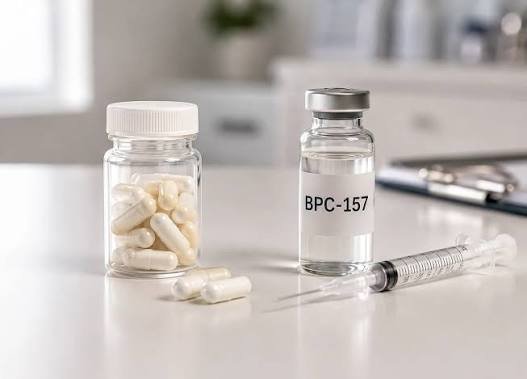
BPC-157 peptide research and safety information
BPC-157 is an emerging peptide that has attracted significant attention in the world of peptide research, sports medicine, recovery, and wellness. Also known as Body Protection Compound 157, BPC-157 is a synthetic pentadecapeptide that has been investigated primarily in preclinical research.
Interest in BPC-157 has grown because laboratory and animal studies have explored its possible effects on tissue repair, inflammation, blood-vessel formation, and several biological pathways. However, it is important to distinguish promising laboratory findings from proven benefits in humans.
At DermaScience Pro, our goal is to provide clear, responsible information about emerging peptides and wellness products. This article explains what BPC-157 is, what researchers have investigated, what is currently known about safety, and why more human research is necessary.
What Is BPC-157?
BPC-157 is a synthetic peptide consisting of 15 amino acids. It was derived from a protein fragment associated with gastric juice and has been studied for several decades, primarily in laboratory and animal models.
Researchers have investigated BPC-157 in connection with tissue repair, gastrointestinal systems, musculoskeletal injuries, inflammation, vascular activity, and other biological processes.
Although these areas of research are interesting, BPC-157 should not be confused with an FDA-approved medication. There is currently no FDA-approved indication for BPC-157.
The limited human evidence means that many claims found online are considerably stronger than what current clinical research can support.
7 Important Facts About BPC-157
1. BPC-157 Is an Investigational Peptide
One of the most important facts about BPC-157 is its investigational status.
BPC-157 has generated substantial scientific interest, but it does not currently have an FDA-approved therapeutic indication. Researchers continue to investigate its biological activity and potential applications.
A recent review found that BPC-157 research remains heavily weighted toward preclinical studies, with relatively little high-quality human evidence.
Therefore, consumers should be cautious about websites or advertisements that describe BPC-157 as a proven treatment for specific diseases or injuries.
2. Much of the Research Is Preclinical
A large portion of BPC-157 research has been conducted using laboratory models and animals.
Preclinical studies have explored possible effects involving tissue recovery, inflammation, vascular activity, muscle, tendons, ligaments, bones, and gastrointestinal systems.
A 2025 systematic review identified 36 relevant studies, of which 35 were preclinical and only one was clinical. The authors concluded that BPC-157 showed potential in experimental models but emphasized the lack of strong human safety and effectiveness data.
This distinction matters because results observed in animals cannot automatically be expected to occur in humans.
3. BPC-157 Has Been Studied for Tissue and Musculoskeletal Research
BPC-157 has attracted particular attention in sports and orthopedic research.
Researchers have investigated the peptide in experimental models involving muscles, tendons, ligaments, bones, and other tissues. Some preclinical findings suggest possible effects involving inflammation, angiogenesis, cell signaling, and tissue repair.
These findings help explain why BPC-157 has become popular among people interested in recovery and performance.
However, promising experimental results are not the same as clinically proven outcomes. More rigorous human studies are needed before reliable conclusions can be made about effectiveness.
4. Human Research Remains Very Limited
Human research on BPC-157 is still at an early stage.
A 2025 pilot study investigated intravenous BPC-157 in only two healthy adults. The study reported that the participants tolerated the infusions without reported adverse effects, but the extremely small sample means the results cannot establish general safety.
Other small exploratory studies have investigated BPC-157 in specific clinical situations. These studies provide interesting preliminary information, but they do not replace large, randomized, controlled clinical trials.
A 2026 review reported that available clinical data involved fewer than 30 subjects across three uncontrolled pilot studies. It also noted that there is currently no validated dosing regimen or approved pharmaceutical formulation.
5. BPC-157 Safety Is Not Fully Established
Safety is one of the most important considerations when discussing BPC-157.
Because human research remains limited, researchers do not yet have enough information to fully characterize the long-term safety profile of the peptide.
The FDA has specifically raised concerns regarding compounded BPC-157, including potential immunogenicity, peptide impurities, aggregation, formulation issues, and limited safety information for proposed routes of administration.
This is particularly important when considering products obtained from sources that may not provide reliable information about identity, purity, concentration, sterility, storage, or manufacturing standards.
Consumers should therefore avoid assuming that a product described online as “research grade,” “premium,” or “high purity” has been demonstrated to be safe for human use.
6. BPC-157 Is Not the Same as an Approved Peptide Medication
The word “peptide” does not automatically mean that a product is an approved medicine.
Many peptides are being investigated for potential medical or wellness applications. However, regulatory approval requires appropriate evidence regarding quality, safety, effectiveness, manufacturing, labeling, and other factors.
BPC-157 currently does not have an FDA-approved indication.
For this reason, information about BPC-157 should be approached as information about an emerging area of research rather than established medical guidance.
7. More Research Is Needed
Perhaps the most important conclusion about BPC-157 is simple: more research is needed.
Researchers need larger and better-designed human studies to understand pharmacokinetics, appropriate formulations, potential benefits, adverse effects, interactions, and long-term safety.
Recent scientific reviews have emphasized the significant gap between extensive preclinical research and the small amount of high-quality human evidence available today.
This research gap is why responsible information about BPC-157 should acknowledge both its scientific potential and its current limitations.
What Are Researchers Studying About BPC-157?
Researchers have explored several areas of interest, including:
Tissue and wound repair
Musculoskeletal recovery
Tendon and ligament research
Gastrointestinal research
Inflammatory pathways
Angiogenesis and vascular signaling
Cellular signaling
Pharmacokinetics and peptide metabolism
These areas are primarily research topics rather than established indications.
Preclinical findings can help scientists determine whether a compound deserves further investigation. However, they cannot establish that the compound is effective or safe for routine human use.
BPC-157 and Peptide Research at DermaScience Pro
At DermaScience Pro, we recognize the growing interest in peptide science and emerging wellness technologies.
Our goal is to organize useful product and educational information covering peptides, dermal fillers, botulinum products, weight-loss products, and premium supplements.
When exploring peptide-related information, readers should look beyond marketing claims and consider the quality of available scientific evidence.
Our [Services] can help visitors understand the types of product information available through DermaScience Pro, while our [Shop] provides a central place to explore our current product categories.
For additional educational resources, visit the [DermaScience Pro Blog] for more information about peptides, aesthetic products, wellness research, and emerging product categories.
What Should You Consider Before Exploring BPC-157?
Before considering any investigational peptide, it is important to evaluate several factors.
First, determine whether the product has an approved medical indication in your country. Second, consider whether reliable human clinical evidence supports the claims being made about the product.
You should also consider product quality, manufacturing standards, sterility where relevant, labeling accuracy, storage requirements, and potential interactions with medications or other products.
Most importantly, discuss health-related decisions with a qualified healthcare professional who can evaluate your individual circumstances.
Frequently Asked Questions About BPC-157
Is BPC-157 FDA approved?
No. BPC-157 does not currently have an FDA-approved therapeutic indication. The FDA has also raised safety and quality concerns regarding compounded BPC-157 substances.
What is BPC-157 used for?
BPC-157 is primarily discussed as an investigational peptide. Research has explored areas such as tissue repair, musculoskeletal conditions, inflammation, and gastrointestinal biology. However, these research areas should not be interpreted as proven medical uses.
Does BPC-157 have proven benefits?
Current evidence does not establish proven clinical benefits for routine human treatment. Much of the evidence comes from preclinical research, while human studies remain small and limited.
Is BPC-157 safe?
Its complete safety profile has not been established. Limited human studies have reported preliminary findings, but the available evidence is insufficient to determine long-term safety or establish a comprehensive risk profile.
Is BPC-157 a supplement?
BPC-157 should not automatically be considered a conventional dietary supplement. Its regulatory status, formulation, and intended use can differ from ordinary nutritional supplements.
Why is BPC-157 popular?
Interest in BPC-157 has been driven largely by preclinical research, online peptide communities, sports and recovery discussions, and interest in emerging regenerative science.
Should I use BPC-157?
Decisions involving investigational compounds should be discussed with a qualified healthcare professional. Current evidence is not sufficient to provide a general recommendation for BPC-157 use.
Final Thoughts on BPC-157
BPC-157 is an interesting and increasingly studied peptide, but it remains an emerging area of research rather than an established treatment.
Laboratory and animal studies have generated interesting findings involving tissue repair, inflammation, vascular pathways, and musculoskeletal research. At the same time, human evidence remains limited, and important questions about safety, formulation, dosing, quality, and effectiveness remain unanswered.
At DermaScience Pro, we believe responsible peptide education should balance innovation with evidence. Understanding what researchers have discovered—and what they have not yet established—is an important part of making informed decisions.
For more educational information, explore the DermaScience Pro Blog, review our peptide information, or browse our broader aesthetic and wellness categories.
Important: This article is provided for general educational and informational purposes only. It is not medical advice, does not diagnose or treat any condition, and does not recommend the use of BPC-157. Speak with a qualified healthcare professional before making decisions involving medications, peptides, supplements, or other health products.
